Did you know that 80% of consumers are more likely to buy from brands that offer personalized experiences? That data comes from Epsilon and shows how much personalization — one of the pillars of targeted marketing — impacts the results of marketing strategies.
Another impressive number is that, according to Statista, 86% of marketing professionals reported a significant increase in the effectiveness of their campaigns when they used targeted marketing strategies.
But what does that have to do with events?
You may not have noticed, but targeted marketing can be the key to winning more attendees with less effort (and investment!).
So, if you want efficient promotion results, it’s time to understand what targeted marketing is and how to apply it.
In this article, you’ll learn:
- What targeted marketing is
- How to do targeted marketing at events
- Essential tools to put it into practice
- And an extra tip on how to do all this with an intuitive platform
What is targeted marketing?
Basically, targeted marketing is a data-optimized marketing strategy.
In practice, targeted marketing focuses on reaching specific audiences, based on data such as behavior, interests, location, purchase history or demographic profile.
In other words: instead of talking to “everyone”, you direct your message to those who truly have the potential to be interested in your event.
For example, if you’re promoting a graphic design workshop, you could run specific campaigns for:
- Design students;
- Digital marketing professionals;
- University students from colleges near the event’s region;
- People who visited your website in the last 30 days.
But you’ll use different messages for each group, precisely to create more relevant campaigns through personalization.
3 concepts to fully understand targeted marketing
What is segmentation?
Segmentation is the process of dividing your audience into groups with similar characteristics.
These groups can be defined by:
- Age range;
- Geographic location;
- Interests;
- Job title;
- Behavior history (such as pages visited or purchases made).
For example: To promote your event, you would send different emails to attendees already registered, those who abandoned registration while filling out the form, and those who only visited the event website.
This way, each group gets communication better suited to their pain points and interests.
What is personalization?
Personalization goes beyond segmentation. It’s when you use data from those groups or individuals to adapt your message. This can include:
- The person’s name in the email;
- Offers based on previous behaviors, such as a website visit;
- Recommending relevant content.
For example: Instead of sending a generic email, you could send something like: “Hi, Ana! Did you know we have a talk about [Talk Topic] this Saturday?”
What is ROI?
ROI (Return on Investment) is the return on your investment. In other words, it’s a metric that calculates your profit compared to how much you invested.
In targeted marketing, this indicator tends to be high, since you invest less to reach those who have a higher chance of converting. In other words, those who will complete registration for the event.
For example: If you spent $500 on a marketing campaign for a segmented audience and got $5,000 in registrations, your ROI was 900%.
How to do targeted marketing at events?
As you’ve already seen, doing good targeted marketing requires data.
But that’s your luck! Events are natural data generators.
Besides that, good targeted marketing will make attendees feel welcomed and seen.
That’s why this strategy should naturally be applied at events.
It will help you win new attendees and maintain the relationship with those already registered.
Here’s a practical step-by-step for applying targeted marketing:
1. Know your target audience
First, every marketing campaign should have its persona at the center.
So think: who do you want to reach? Build personas based on real data.
For example: “John, 35 years old, university professor, interested in innovation and academic networking.”
After that, you’ll be able to create more specific campaigns thinking about what your audience likes, what types of posts would connect with them, which social networks they’re on… Now it’s time to do some research!
2. Collect data starting at registration
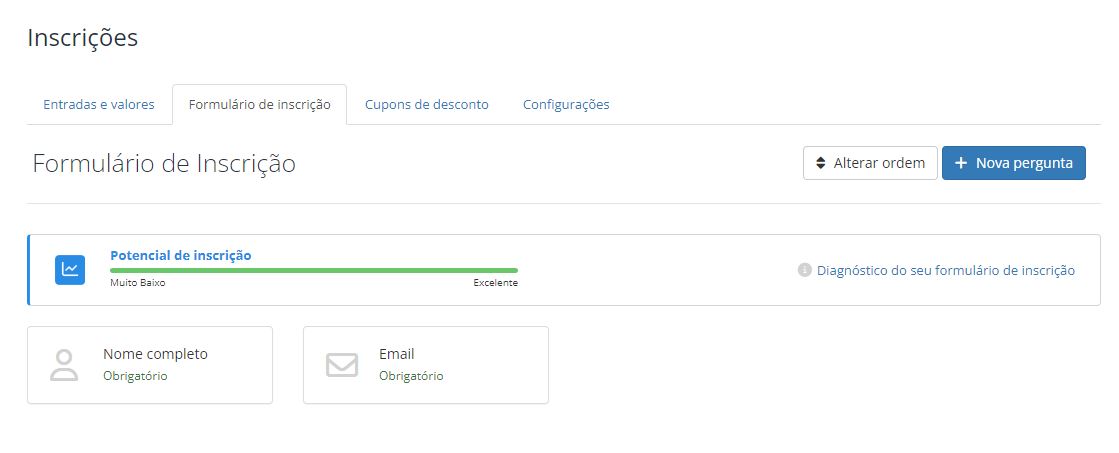
Use an online registration form to capture information that helps segment your audience (name, field of work, city, topics of interest, etc.).
With this data, you can build more assertive communications.
But remember not to create a huge registration form! This can reduce the number of registered attendees at your event.
If needed, you can send audience surveys by email to your attendees.
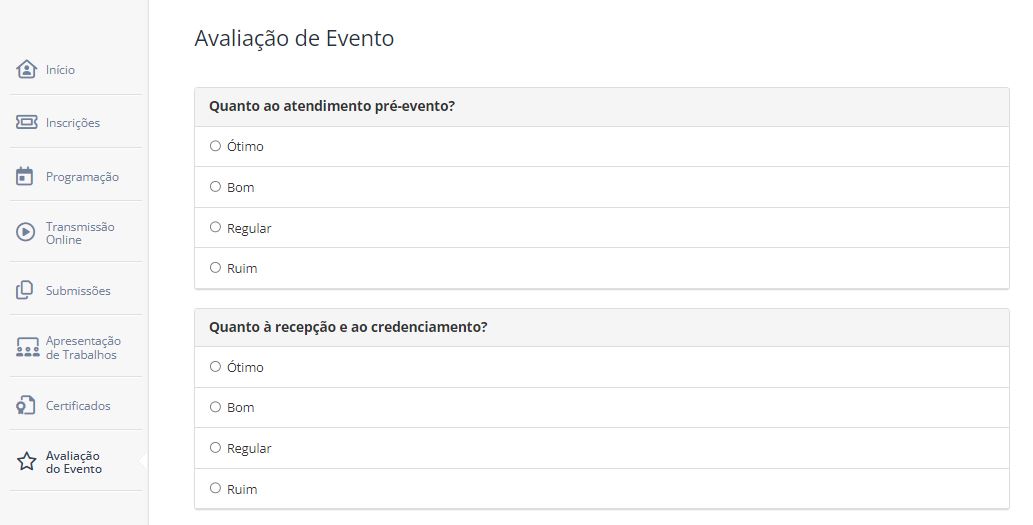
You can also collect information in post-event evaluation forms. It’s also super useful to use this data in future editions!
3. Personalize pre-event communication
Whenever you have data, use it.
So, from the very start of registration, use personalized emails, highlighting topics of interest for each audience. For example:
- For professors: “Ana, check out the talks that offer certificates”
- For students: “Caio, join the activities that offer extra credit hours”
It’s also worth creating social media posts based on the same segmentation, as well as investing in personalized ads.
4. Direct actions during the event
Send specific messages by email or through the event app, such as segmented reminders or targeted promotions.
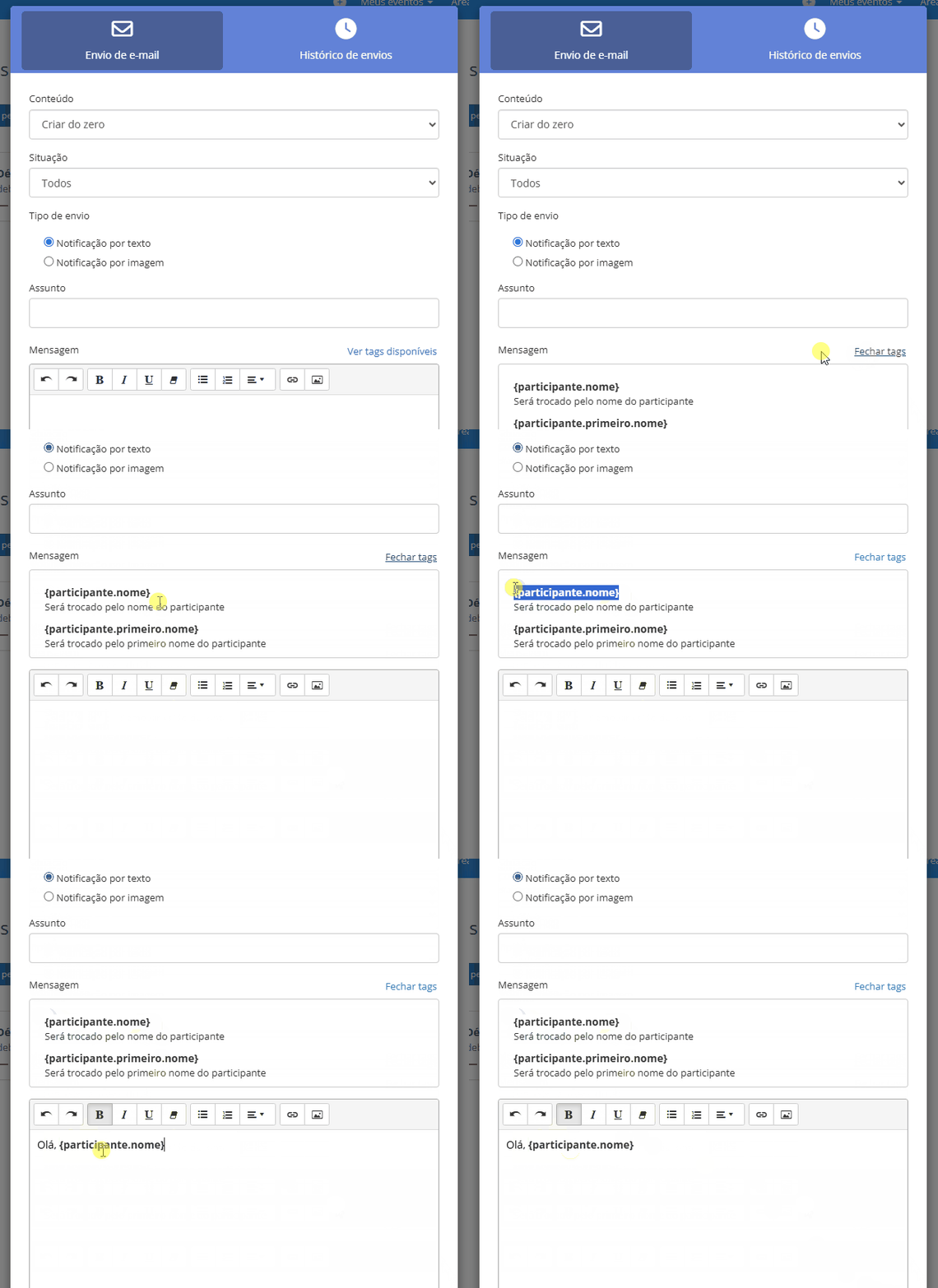
In these cases, always remember to use personalization tags to call attendees by name.
For example, in Even3, you can send emails to everyone registered for your event and call each one by name without having to create an email one at a time.
Just insert tags and they’ll be automatically filled in with the name registered on the registration form.
5. Post-event with a focus on the profile
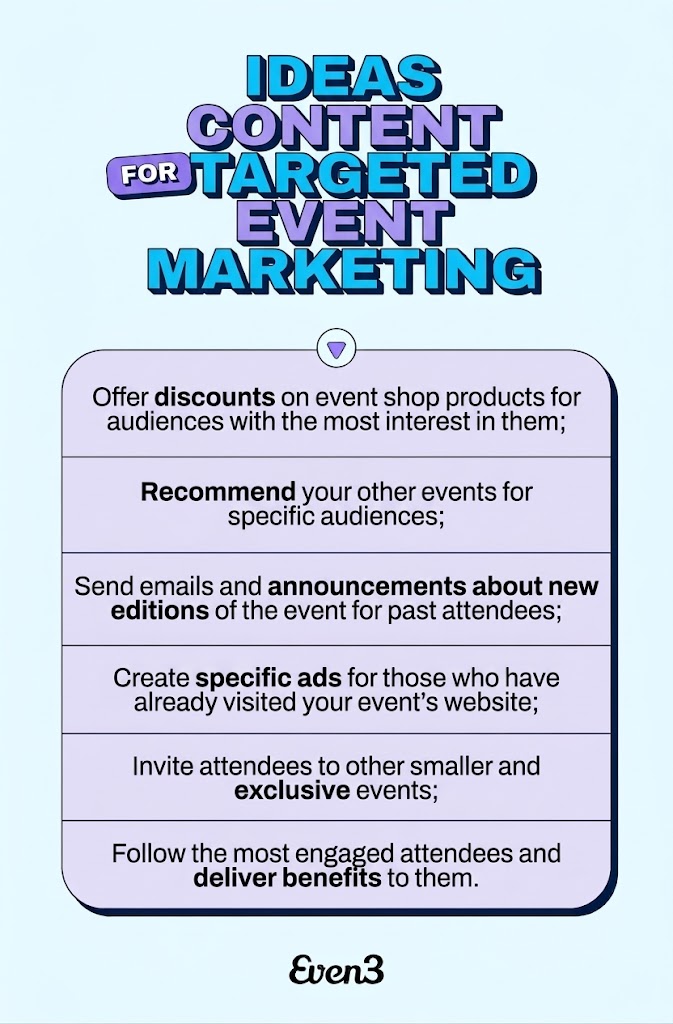
After the event, send different content to those who attended, those who presented papers, and so on.
This way, you can increase engagement and maintain a closer relationship with your audience.
Tools and resources for targeted marketing at events
To put targeted marketing into practice, you’ll need tools that collect, segment and act on data. Here are the main ones:
- Online registration forms: Capture detailed information about each attendee.
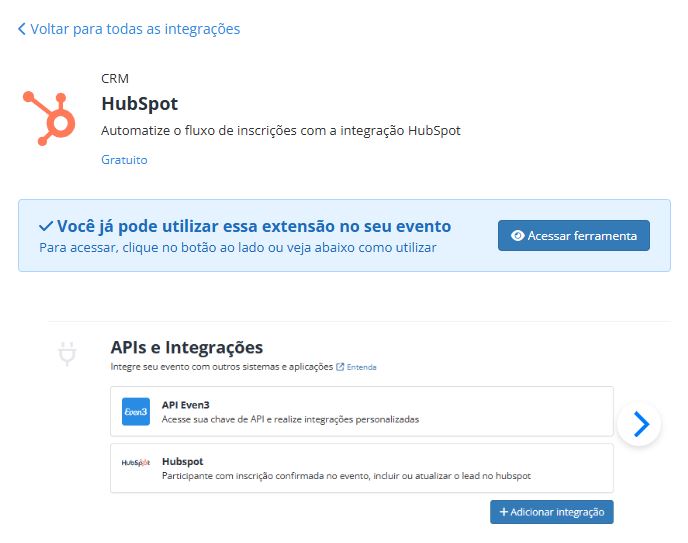
- Email marketing platforms: Let you send personalized messages to different groups.
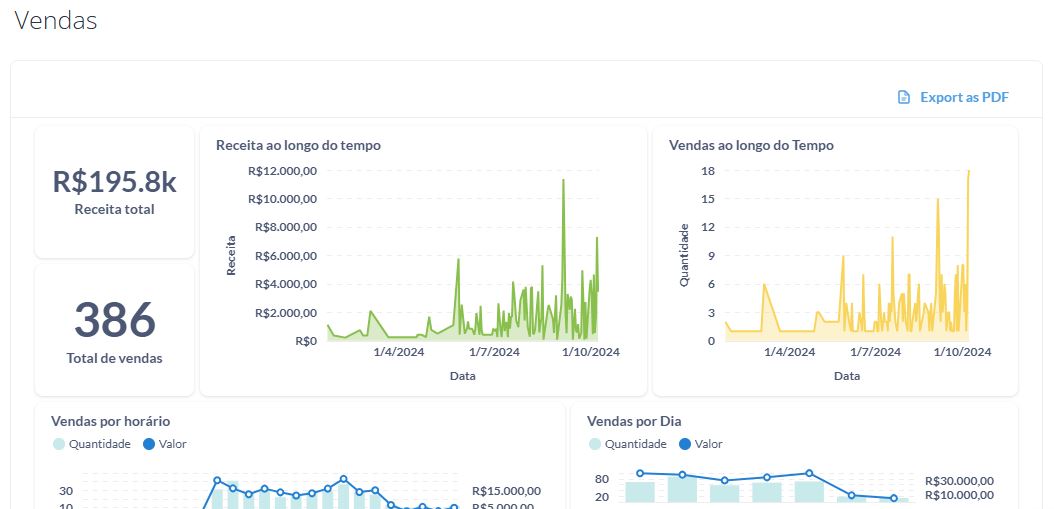
- Analytics: Show data about attendees and insights about campaigns.
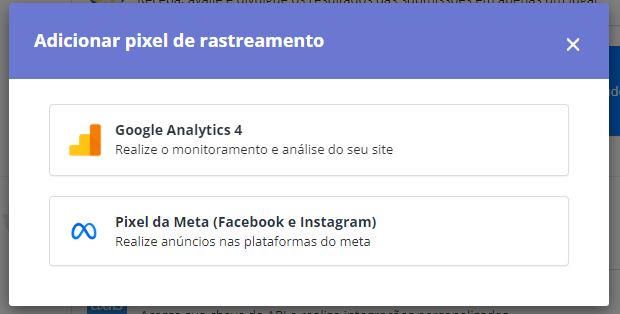
- Ads: Tools that make it possible to create segmented ads. For example, Google Ads and Meta Ads (ads for Facebook and Instagram).
Even3: the complete platform for targeted marketing at events
If you want to do all this in a simple way, Even3 offers specific features to apply targeted marketing at events:
✅ Customizable registration form
✅ Segmented email sending based on collected information
✅ Ready-made email templates to make communication easier
✅ Everything integrated with event management!
Now you can create an effective targeted marketing plan capable of reaching the right audience.
Use Even3’s tools for free. Get to know our marketing solutions.