Have you ever thought about running more editions of your event? That is, making it recurring and building a culture around it?
This can be a very profitable move, since your event will establish itself in the market, becoming a reference and building loyalty among long-time attendees.
For many organizers, it’s natural for a big event to become periodic, but did you know you can go beyond just repeating the same annual version?
Still, anyone who runs this type of event knows it can be a bit trickier to keep expectations high or offer improvements compared to the previous edition.
With that in mind, we’ve put together 4 practical tips that will save you when organizing a recurring event. Find out more:
Benefits of recurring events
- Establishes your event as a reference on its core topic;
- Builds a community of engaged attendees;
- Creates anticipation around the event;
- Keeps a loyal audience and guarantees part of your ticket sales;
- Makes it easier to get to know your audience and communicate with them;
- Enables improvements across editions and lets you act on ideas shared in satisfaction surveys.
4 tips for organizing successful recurring events
1. Make it easy to build communities
You’ve probably already noticed we’ve talked a lot about communities, right?
That’s because this is one of the biggest benefits of recurring events. But communities aren’t created out of nowhere!
You can boost your attendees’ engagement with the following actions:
Use social media to your advantage
Social media is a great mass-communication channel and makes it easier to interact with your audience.
There, you can encourage engagement with the event, especially if the first edition has already happened and attendees already know it.
For example, on Instagram you can use a unique hashtag (#) for the event, share photos and videos made by your attendees, use polls, and much more!
Build anticipation for the next editions of your event
When we talk about social media, we almost always think of digital marketing!
That is, promotional actions for your event across digital channels.
In this case, these actions are ideal for building anticipation for upcoming editions.
After all, you can start sharing news on Instagram, build mystery around upcoming guests, or even send exclusive content to returning attendees via email marketing.
So how about warming up attendees from the previous edition by sending emails with discounts and teasers about the next edition of the event?
Have dedicated groups for your attendees
Finally, nothing beats groups for strengthening your community!
For example, UFRJ’s Festival do Conhecimento created a monthly newsletter to keep in touch with attendees even after the event ended.
You can also create groups on WhatsApp, Telegram, or Facebook to share content and let attendees discuss and interact with each other.
This way, your event will always be seen as a hub for connections and networking.
But remember: groups carry a sense of exclusivity, so it’s best to keep only people who are familiar with the event there.
To do this, you can share your group’s link somewhere easily accessible only to attendees.
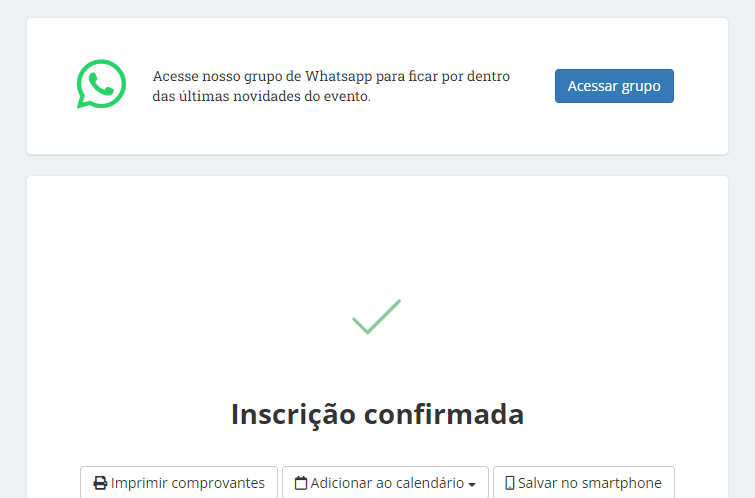
For example, on Even3, you can add a link to your WhatsApp or Telegram group on the attendee’s registration confirmation page.
2. Use satisfaction surveys
Recurring events allow you to test and improve from one edition to the next, but how do you know what’s working and what still needs improvement?
It’s simple: invest in satisfaction surveys! They’re tools used to measure and evaluate the quality of your event.
Also known as feedback, they can be run at different points during the event and through various tools.
Common examples include forms, emails, Net Promoter Score (NPS), and event platforms like Even3, which already have satisfaction surveys built right into the site.
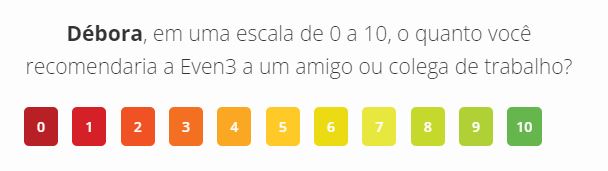
We’ve even created a Satisfaction Survey template to help you measure your event’s success. Just download it and start using it.
3. Copy information from the previous event
To maintain quality, recurring events require a lot of attention from the organization and often need to repeat certain elements from past editions.
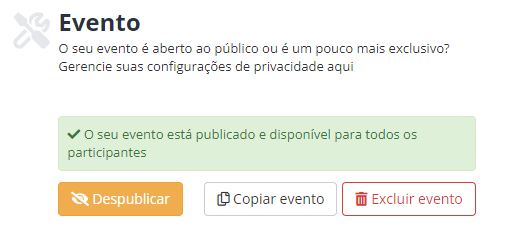
So why not automate some of these processes? On Even3, you can copy the key information from a past event and not worry about anything being forgotten.
4. Build relationships with your contacts
Another feature that’s essential for recurring events is the ability to export the contacts of registered attendees.
This will be extremely useful for keeping the communication going, nurturing interested contacts, and informing them about news for upcoming editions.
This way, you can use the export contacts feature and use them for email marketing.
On Even3, for example, this step is super simple! Just go to the People menu and export your contacts, segmented by registration date, category, and other data provided at registration.
But don’t forget to always make sure your attendees are informed and have consented to how their data will be used, okay? This way you’ll respect data protection regulations.
Now it’s time to start rolling up your sleeves for the next edition of your event.
Start by getting to know Even3, the platform that will automate and simplify the key steps of your recurring event. Create an event for free.