
Have you thought about tapping into a growing market and organizing events in hotels?
Since the pandemic, the hotel industry has been increasing occupancy rates and upgrading its infrastructure.
By 2028, the Brazilian Hotel Operators Forum (FOHB) estimates R$8.4 billion in investment in the sector.
With this favorable landscape, organizing events in hotels can be a faster way to find a complete, well-structured venue.
But you need to know what to look for! That’s why, in today’s article, we’ll explain more about:
- Why organize events in hotels?
- Essential items for events in hotels
- Step-by-step guide to organizing events in hotels
Why Organize Events in Hotels?
You’ve probably seen or even attended corporate conferences, training sessions, or exhibitions in hotels.
These are the most common types of events held at these venues.
After all, they need integrated logistics with lodging, restaurants, meeting rooms… all of which are more readily available at a hotel.
But those aren’t the only benefits of this type of venue. There are other advantages, such as:
Professional Experience
Most hotels have teams specialized in events. So if you need to host people in a standardized way with constant support, hotels are a great option!
Industry Growth Favors Events
With the hotel market expanding and constant investment in infrastructure, hotels are increasingly equipped to compete as professional event spaces.
A More Sophisticated Environment
Hotels offer a corporate, organized atmosphere, ideal for business events, training sessions, workshops, and academic gatherings.
Quality Networking Opportunities
Since attendees are all gathered in one location, interaction increases, including during breaks, in common areas, and at dining spaces.
Essential Items for Events in Hotels
Now, if you want to make the most of the benefits of organizing events in hotels, you need to pay attention to a few things, such as:
- Location: Is it easy for attendees to reach? Is it close to airports, public transportation, or strategic points for your target audience?
- Room capacity: Does the hotel have rooms suited to the size of your event (number of attendees, auditorium setup, tables, space to decompress)?
- Support infrastructure: Check for sound equipment, projectors, microphones, good-quality internet, lighting, etc.
- Accommodations: If you need to lodge attendees or speakers, check whether the hotel has the number of rooms you need.
- Food services: To get truly integrated logistics, it’s essential that the hotel already offers food service for the event.
- Events team: Does the hotel have a department or team specialized in events? Is there support for setup and teardown?
- Contract flexibility: Pay attention to the terms for room blocks, cancellation policy, minimum attendee guarantees, etc.
- Reputation and reviews: Look at reviews from past events, testimonials from other organizers, and photos of previous events.
- Sustainability: If it matters to your audience, check whether the hotel follows sustainable practices or social responsibility standards.
How to Organize Events in Hotels: A Practical Step-by-Step Guide
1. Define the Event’s Goal and Format
Before looking for hotels, determine the type of event, estimated audience, technical needs, number of rooms, and whether lodging will be included.
2. Research Suitable Hotels
Remember those essential items? Keep that list handy to search for hotels that meet your requirements.
3. Send a Formal Request
Reach out via email or the hotel’s corporate form, providing dates, estimated attendance, room layout, and schedule.
4. Do a Site Visit
Before signing the contract, see the hotel’s spaces in person. This is the time to test the internet, check the room acoustics, and verify available equipment.
5. Negotiate Based on Real Needs
Keep your event within your budget!
So, analyze what’s feasible and negotiate with the venue.
For example, if you need to block rooms, make sure you only request the number of rooms you actually need.
6. Formalize Everything in a Contract
Make sure the contract includes:
- Itemized costs
- Cancellation and no-show policies
- Available hours and spaces
- Included services
- Additional fees
- Lodging rules
7. Get Your Institution’s Tax Details in Order
To hire a hotel, your event organization needs an active business tax ID. This will also be essential for your event to hire suppliers, issue invoices, make payments, and more.
8. Plan Check-in and Attendee Flow
Since events in hotels require access control, plan out how check-in, signage, and the flow between rooms, the reception area, coffee break spaces, and common areas will work.
In this case, it’s a good idea to use a check-in app to control attendee entry and exit more quickly and securely.
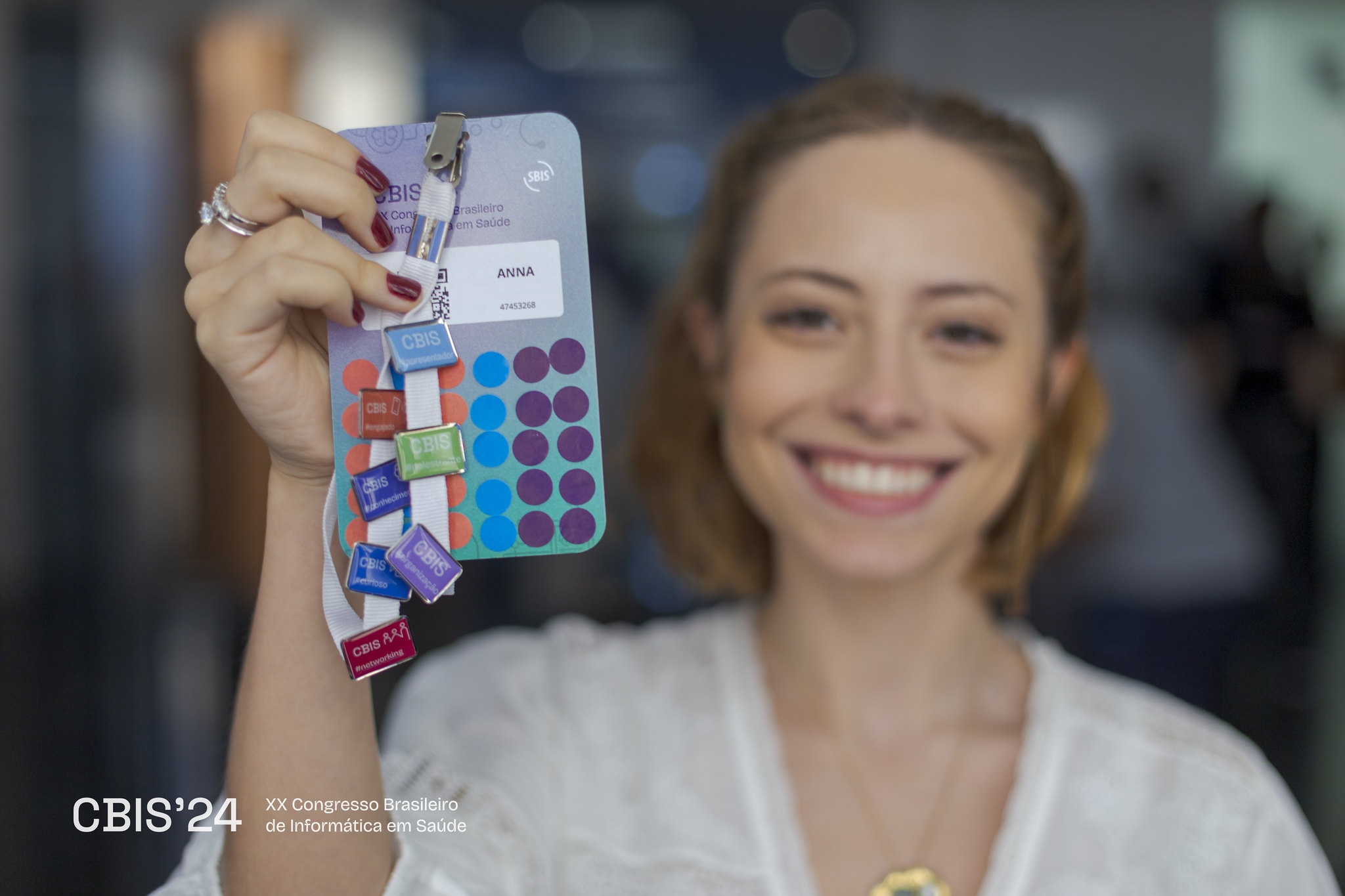
You can also use other strategies like self-check-in, gamified badges, and more.
Rely on an Event Platform to Organize with More Security
To ensure access control, organized registrations, and professional check-in right at the hotel, rely on a complete event platform.
Even3 lets you create registrations, track attendees, issue badges, and keep event access secure and organized.
Create your event now on Even3 and make organizing it much simpler, more professional, and more efficient.