Did you know that 71% of Brazilians follow at least one influencer on social media?
What’s more, 45% of these internet users say they have already bought a product or service after an influencer’s recommendation.
The use of digital influencers in marketing has grown in recent years precisely because of data like this.
But is this strategy really effective for events?
If you’re an organizer wondering whether to invest in influencer marketing, this article will help you make an informed decision. Learn more about:
- What is an event influencer?
- Benefits of using influencers for events
- How to choose the right influencer for your event?
- Tips for applying Influencer Marketing to your event
- How to measure the return of Influencer Marketing
What Is an Event Influencer?
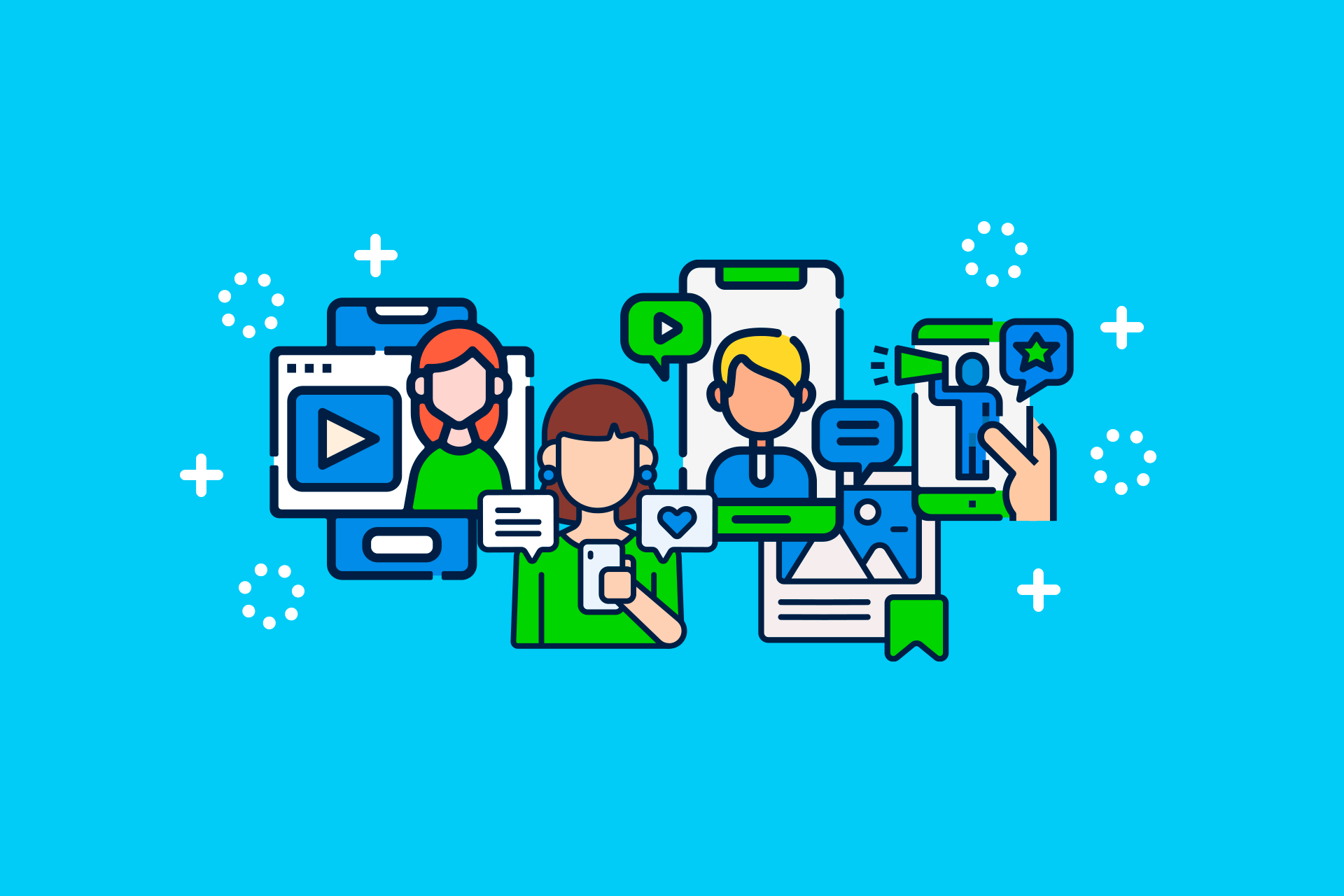
Basically, influencers are people who have an engaged audience on social media and have the power to influence purchase decisions and behavior.
They usually produce relevant content around niches such as comedy, fashion, technology, science, and more.
What Is Influencer Marketing?
The concept of Influencer Marketing emerged precisely to describe this strategy of driving actions and building a brand’s image through an influencer’s recommendation.
For events, this can mean more registrations, higher engagement, and greater brand recognition.
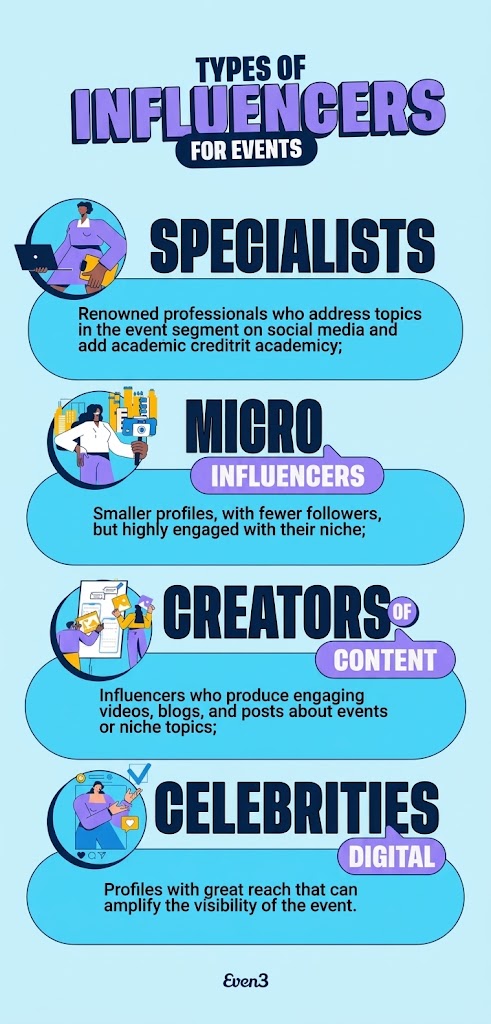
But did you know that follower count isn’t what defines an influencer? Here are some categories of event influencers:
Benefits of Using Influencers for Events
- Greater reach: Influencers can introduce your event to a new, relevant audience;
- More credibility: Followers tend to trust authentic recommendations more than traditional ads;
- Higher engagement: An influencer’s recommendation tends to generate more interaction and interest from the audience;
- Increased registrations: People tend to buy products recommended by people they know. That’s why influencers have a better chance of convincing followers to buy tickets to your event;
- Relevant content: Influencers create authentic, appealing material that can be reused in official promotion.
How to Choose the Right Influencer for Your Event?
Now that you know the possibilities, it’s time to understand how to choose a good influencer.
After all, it would be a waste of money to hire someone who has no relevance to your audience!
So always pay attention to the following criteria:
Alignment With Your Audience
As mentioned, your event’s audience is one of the main criteria for choosing the ideal influencer.
So map out the influencers in your event’s niche.
- Who do the people in your audience follow?
- What content does your event’s audience consume?
On the other hand, if you find an interesting influencer, check the audience that follows them.
- Are your event’s attendees there?
- Does the influencer speak to the content you’ll be covering?
Then, create a list of possible influencers and analyze which one best fits your event’s budget.
Influencer’s Track Record
Choosing an influencer for your event also means choosing an ambassador for your brand.
This person will speak to your audience in a more intimate way, represent your brand, and, in a sense, give it a personality too.
So pay attention to whether the influencer is involved in any controversies that could put your event’s image at risk.
Also, look for previous work in the same segment and analyze the results, if available.
Campaign Goal
Always take into account your campaign’s goal and the budget available for investment.
That’s because the type of influencer you choose will differ depending on your goal.
For example, if you want to build a community and provide more “intimate” coverage of the event, it might be worth investing in a micro-influencer with a loyal audience.
Real Engagement
More important than follower count is the level of interaction the influencer has with their audience.
So look at the interactions on their posts and, if needed, request the profile’s engagement data.
10 Tips for Applying Influencer Marketing to Your Event
1. Write a Contract
First, it’s important to make clear to the influencer what deliverables you expect from them.
So, draft a contract that specifies the content to be produced, the metrics to be analyzed, the payment method, the rules, and the duration of the partnership.
This will give your event legal security.
2. Give Creative Freedom
Despite the contract, you should leave room for the influencer to create in the way they’re used to.
Influencers know their audience and how to engage them. So let them bring authenticity to the campaign.
3. Keep Your Social Media Active
There’s no point in producing content with influencers if you don’t have an active social network where people can look up and learn more about your event.
So integrate the influencer’s strategy with your social media, website, and email marketing campaigns.
The influencer marketing content should be aligned with your event’s overall marketing strategy.
For example, you should use the same tone of voice, colors, graphic elements…
This way, the influencer’s followers will recognize the same communication tone across your channels, your event’s image will be strengthened, and the campaign’s impact will be greater.
4. Work With the Right Networks
Speaking of social media, select influencers who are active on the same platforms where your brand has a presence.
This way, you can continue building the relationship with the audience.
5. Pay Attention to the Influencer’s Reach
Often, an influencer has local reach, especially in the case of micro-influencers.
This can be a good strategy for reaching a specific, more engaged audience.
But it can be a problem if the influencer doesn’t connect with people from the city where your event will take place.
So, request the location data of the influencer’s followers and check whether they are within your event’s region.
6. Label the Advertising Correctly
Always use hashtags like #ad or #sponsored on influencer content.
This creates transparency and regulatory compliance.
7. Make the Most of the Generated Content
Material produced by influencers can be reused to strengthen your event’s promotion.
8. Create Authentic Connections
Choose influencers who genuinely have an affinity with the event to generate more credibility and resonate better with the audience.
9. Contract Duration
Using influencers during the ticket sales period can be quite strategic.
But it’s also worth working on an Influencer Marketing strategy over longer periods.
That’s because your brand can become fixed in the minds of the influencer’s followers if it becomes part of their everyday life, while also conveying more credibility.
So, analyze which strategy makes the most sense for your event and available budget.
10. Create Trackable Links and Coupons
Finally, if you’re going to use registration links or discount coupons, remember to make them trackable.
Your links should have parameters, and your coupons can have names specific to each influencer.
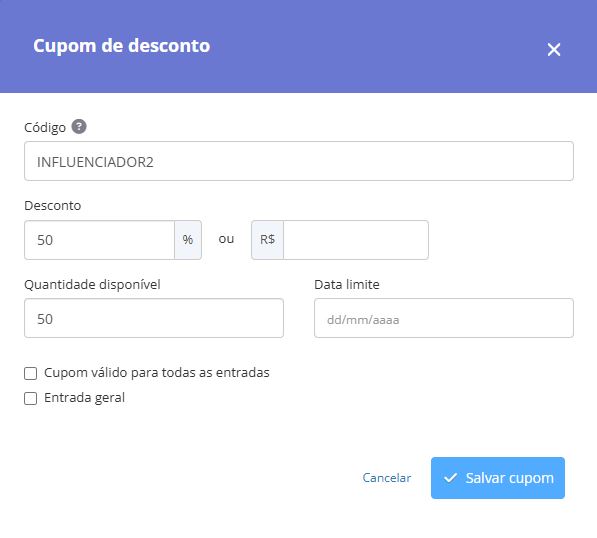
Example of a discount coupon for an influencer on Even3
This way, you’ll have concrete data to measure your campaigns’ results.
To do this, you can use an events platform like Even3, which makes it easy to create affiliate links and specific discount coupons.
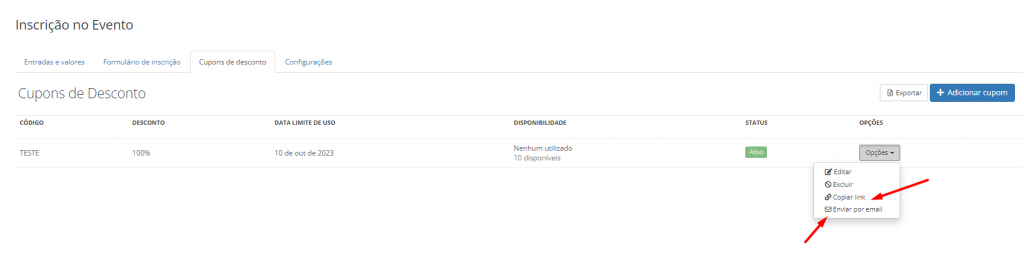
Create an affiliate link on Even3
How to Measure the Return of Influencer Marketing?
Finally, if you want to know whether it’s worth investing in influencer marketing, you’ll need to track the campaign’s results.
Obviously, these will be defined based on your goal.
For example, if you want to sell more registrations, you should definitely check the number of registrations made through the influencer’s affiliate link.
So think about your goal and consider which metrics make the most sense to track, such as:
Conversion Metrics
Ideal for those aiming to increase the number of registrants.
- Registrations made on the site through affiliate links;
- Event app downloads;
- Leads generated;
- Number of discount coupons used. You can create specific coupons for the influencer.
Awareness Metrics
Ideal for those who want to make the event more well-known.
- People reached by the campaign’s posts;
- Impressions;
- Number of website visitors who came through the influencer’s link. This requires creating trackable links.
Consideration Metrics
Ideal for those running remarketing campaigns who want to track how many people are more willing to attend their event.
- Post engagement;
- Increase in followers from the influencer’s content;
- Clicks to the website;
- Number of website visitors who came through the influencer’s link;
- Content saved on Instagram;
- Increase in Google searches.
With all this information in hand, you’ll be able to carefully plan your influencer marketing campaign.
You’ll also be able to determine whether or not it’s worth investing in this strategy to boost your event.