Is your event calendar already jam-packed and the year isn’t even over yet?
You can change that, and still leave room for new ideas!
A well-structured event calendar management approach can reduce your team’s workload, bring more technology into your events, and even boost registrations.
That’s why we’ve put together some practical tips to help you organize several events a year with more ease and speed. Learn more about:
- Is it worth organizing more than one event a year?
- Why create an event calendar?
- How to build an organized event calendar;
- 5 best practices for organizing several events a year.
Is It Worth Organizing More Than One Event a Year?
It depends. For some, organizing just one event a year may not be enough.
According to a Bizzabo report, 39% of event organizers hold four to six events a year. 13% even run more than 10!
This trend isn’t a coincidence!
In some sectors, like Education, engagement, networking, and community building are competitive advantages.
And all of that is delivered through events! So, it’s worth organizing more of them if you want to:
- Reach different audiences faster;
- Keep your brand top of mind with those different audiences;
- Build deeper, more personalized relationship journeys;
- Take advantage of strategic dates creatively;
- Build communities around your brand;
- Test and refine your event organization learnings faster.
But for this strategy to work, planning and technology are essential. You’ll need to build a solid event calendar.
But don’t worry! That’s not an impossible task. Let’s show you how!
Why Create an Event Calendar?
As mentioned, building an event calendar is a management strategy.
After all, it lets you plan ahead, allocate resources correctly, align teams, and keep your audience engaged all year long.
Here are some direct benefits of working with a well-structured calendar:
- A high-level view of your brand’s activities;
- Better distribution of tasks over time;
- Fewer surprises and date conflicts;
- Optimized team and budget use;
- Building anticipation and prepping your audience in advance;
- Ongoing engagement from staff, partners, and attendees.
How to Build an Organized Event Calendar
So, what’s the best way to build an event calendar: spreadsheets, a website, Google Calendar?
Let’s show you how it’s being done out there!
Bring Technology Into Your Team
The first step to organizing several events a year without a headache is using an event platform.
That’s what the market is showing! Currently, 79% of professionals in the field use event management software.
Since there’s always a lot of work to do, a platform can help you automate the more mechanical tasks, like building a website, writing descriptions, generating certificates, and more.
The best part is that many tools offer this for free, like Even3.
On top of that, if you organize many events a year, Even3 can help you easily analyze your events’ results.
That’s because it centralizes data from all your events in one place, lets you copy event templates, showcase your brand, and much more.
Split Up Your Team
Now that you have an event platform as part of your team, it’s time to use it to divide up tasks.
With Even3 Empresas, you can share management across different team members, setting permission levels for each one.
This way, you can build a robust, lean, well-segmented team.
This means you’ll have the right professionals focused on developing key areas of your event.
On top of that, you won’t overload anyone, and you’ll open up space for new ideas.
For example, shared organization on Even3 made it easier for the Regional Council of Psychology of Minas Gerais to organize events in cities far from headquarters.
Decentralization expanded the institution’s reach and reduced staff workload.
“Today we’re able to decentralize CRP’s events to other cities without much extra work. It used to be really hard to manage that. Now we can track events from headquarters here in Belo Horizonte in a much more automatic and dynamic way.” – Nathalia Monteiro, Public Relations, CRP-MG
Create an Event Portal
With your events ready, it’s time to showcase them!
After all, it’s important for your attendees to know where to find them and plan ahead.
That’s why one of the platform’s most valuable features is building an institutional event portal.
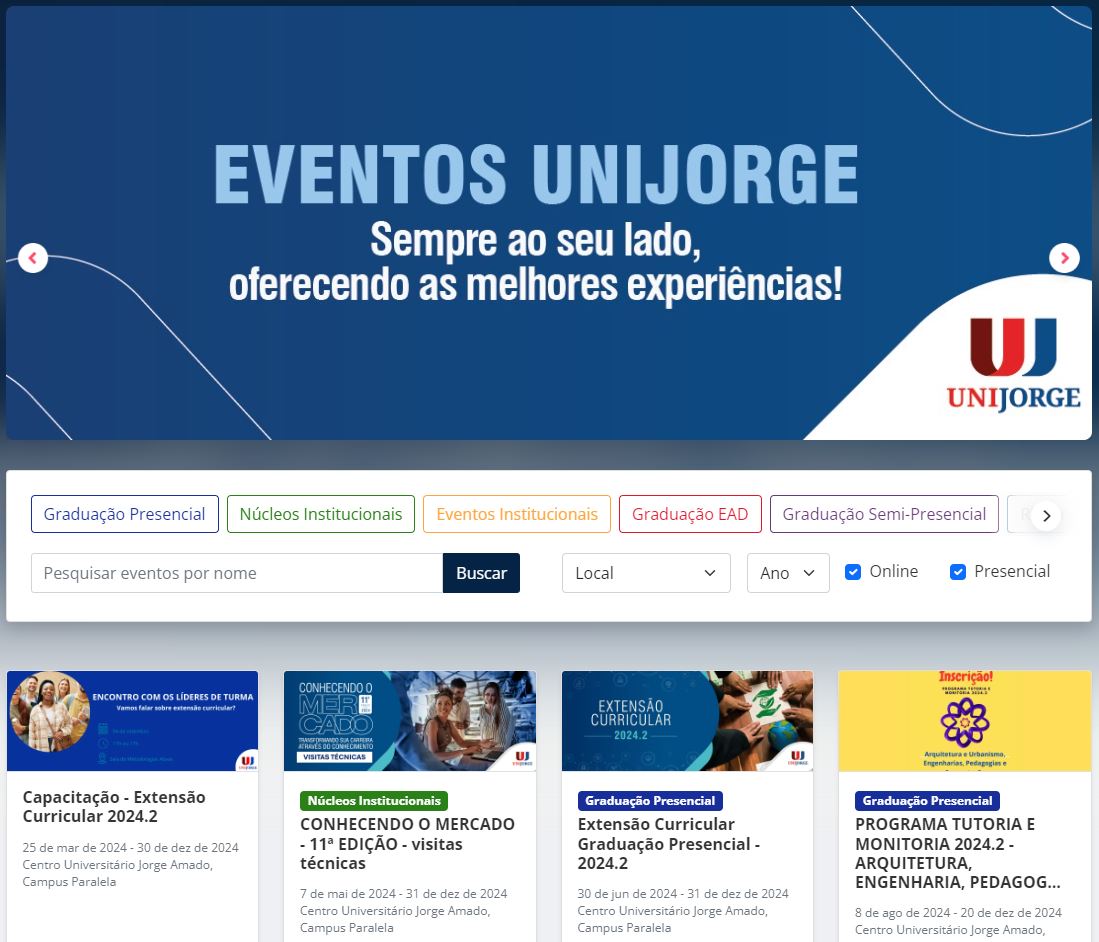
With it, your company can display every event of the year in one place. This is ideal for communicating with and engaging employees, attendees, and partners.
Automate Tasks
Instead of worrying about registrations, issuing certificates, sending emails, or generating reports, you can automate these processes.
Platforms turn tasks that used to be tedious and manual into quick, one-click processes.
“Of all the scientific conferences we’ve organized, the one we ran with Even3 was the one we managed to put together in record time.” – Ladiomar Joaquim, Instituto Superior Politécnico de Benguela
This way, your team can focus on what really matters: the event’s content and experience.
Centralize Key Information
With so many events throughout the year, keeping information scattered across files and emails is risky.
On top of that, you won’t get an overview of everything you’ve done and achieved.
Managing through Even3 Empresas lets you centralize event data, reports, and feedback.
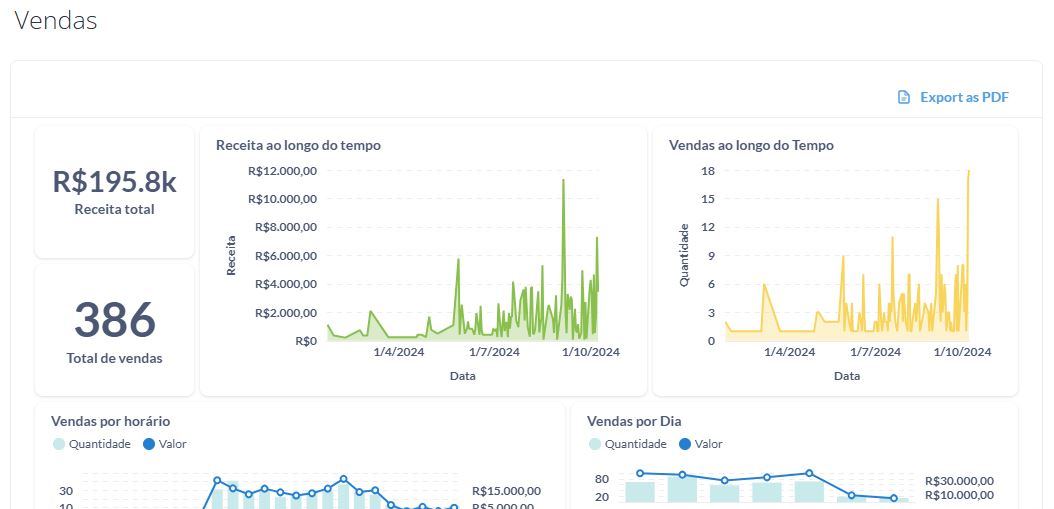
This makes it easier to make decisions, report results, and continuously improve future events.
5 Best Practices If You Organize Many Events a Year
1. Have a Central Management Team
Building an event management core within your company helps standardize processes, make decisions faster, and ensure consistency across events.
Your team’s members can vary depending on demand, but they usually include event managers, designers, finance, and promoters.
On top of that, your team should have control over tools like Even3 Empresas to stay clear on goals and success metrics.
2. Build Communities
One of the main goals of events is building communities. But they need upkeep to thrive and generate more results!
To do this, create groups on LinkedIn, WhatsApp, or Telegram with attendees and exhibitors.
Choose the social networks where your attendees are most active and share exclusive content.
For example, promote upcoming events, webinars, content series, and encourage the exchange of experiences through discussion forums.
3. Use Feedback and Satisfaction Surveys
Collecting feedback after each event is essential for recurring events.
It’ll help you understand what worked, what could improve, and track results from tests you run at your events.
With Even3 Empresas, you can set up automatic satisfaction surveys, integrated directly into the attendee journey.
On top of that, the data stays available for you to review on the platform.
4. Build Relationships With All Attendees
Email marketing is an excellent way to keep your audience engaged throughout the year.
On Even3, you can:
- Send email marketing during the event directly from the platform;
- Capture leads at your events and export attendee lists to other email marketing tools;
- Integrate the platform with tools like HubSpot and trigger email marketing based on actions taken at the event.
5. Create Event Templates
Finally, you can stop worrying about standardization altogether!
That’s right: if you’re organizing several events a year, sticking to standards doesn’t have to be a problem anymore!
With Even3 Empresas, you can create ready-made templates with reusable settings (forms, emails, certificates, website structure, and more).
This ensures consistency and saves time when organizing new events.
This way, you’ll be able to organize several events a year without so much overload.
So, how about trying this solution for managing your event calendar? It’s time to gain more efficiency!