Building an event website is, without a doubt, the dream of many organizers. When we think about the internet, the first things that come to mind are websites and social media, right? That’s because these channels, especially websites, are where people go to look for information about a product or service. An event website ensures a better flow of information about your event and enables more effective communication with your audience — plus, it lets your event get found through search engines like Google. Ever heard the saying “if Google can’t find it, it doesn’t exist”? Exactly. Having an event website completely changes the participant experience, letting you attract large numbers of people, sell more registrations, and promote your event.
What Is a Website?
A website is a set of web pages — hypertext documents generally accessed over the internet via HTTP. All existing public websites together make up the World Wide Web. Basically, a website is the first contact your audience has with a brand, in this case, with your event. That’s why having a website today is essential for any event: when people hear about an event, the first thing they do is search for more information about it on Google. A website lets you centralize information and, above all, improve communication — plus it’s an excellent promotional channel.
How Does an Event Website Work?
A confusing website with little information and poor usability will certainly discourage people from continuing to read about your event — or worse, it may make them give up on attending altogether, since they can associate that bad experience with the event itself.
What Does an Event Website Need to Have?
- Event name: it should stand out on the site and be thought through carefully, since it’ll also appear on all your promotional materials — banners, flyers, shirts. Favor short names, and always check how the event’s acronym reads.
- Description: share your event’s mission and purpose, its target audience, and its field. Highlight the number of past editions, submissions, and participants — these numbers grab attention and show your event’s authority. Include your event’s keywords and main differentiators here too.
- Date and time: make dates and times clear for every activity. For multi-day events, specify times per date to avoid confusion and cut down on questions from participants.
- Location: include the full address and use maps, which help participants find nearby bus stops, malls, and restaurants, as well as hotels and other local amenities. You can even add a section recommending partner restaurants, hotels, and businesses offering discounts, plus local attractions worth visiting.
- Schedule: a well-defined, organized schedule is key to success. Always publish it early and include the date, time, and room for each activity, along with the speaker and topic — this helps participants plan which activities to attend when several run simultaneously. Even with a big-name speaker, always make clear exactly what topic they’ll cover.
- Speakers: besides their name, include a photo and social media links for speakers and anyone leading courses or workshops. A short bio highlighting where they’ve worked and their key results goes a long way — great speakers attract bigger audiences.
- Registration sales: every organizer dreams of record-breaking attendance, and a secure ticket sales website is essential for that. Look for an event platform, like Even3, that integrates a secure payment method into your event to make the organizer’s job much easier.
- Contact: leave a space for people to ask questions about the event — one of the best ways to strengthen communication with your audience. Consider adding an FAQ section covering registration, certificates, submission deadlines, and evaluation, which also cuts down on the number of emails your team receives.
- Visual identity: your event’s visual identity is essential and should appear on the website too, designed to stick in participants’ memory. The name is one part of the logo — also define colors and presentation style.
- Sponsors and support: every event involves some cost or needs materials to happen, whether hybrid, online, or in-person. To cut costs and attract visibility, many organizers rely on sponsors and supporters — make sure to feature their logos prominently on your event website.
Why Is a Website Important for Your Event?
If you’re on the fence about having an event website, ask yourself this: do you know of any successful event today that doesn’t have one?
- A website is essential for your event’s marketing: as you plan your event, you also need to think about your promotional strategy. Investing in your event’s image is only possible if you have an online presence — and the numbers back this up, with millions of people connecting to the internet every day and spending hours online.
- Customization: unlike most digital channels, a website can be fully customized to match your event’s identity — a great way to reinforce your branding. Keep everything consistent, including your color palette and sponsor logos, so your event is easily recognized and remembered. Imagine your event’s Facebook page is all pink, your printed banners are gray, but your website uses an orange palette — pure confusion, and it can make registrants think those channels don’t even belong to the same event.
- Content production: with an event website, you can update content whenever needed. One of its main functions is answering participants’ questions and motivating them to attend, so make sure to proactively share clear information about location, schedule, dates, times, ticket sales, and contact options.
- Online ticket sales: with a good platform, you can sell registrations online, and an event website makes this process much easier. Organizers used to spend hours going through emails with registration requests and manually checking participant data — not anymore.
- Communication channel: it’s frustrating trying to reach an organization and not being able to. Provide a space for people to get in touch, and use it to collect feedback, the key tool for improving future editions. You can even survey your audience before the event starts to find out what interests them most.
- Unify all your company’s events in one place: a website becomes even more valuable for corporate events, since it unifies every event your company runs and introduces your company to the public.
How to Create an Event Website?
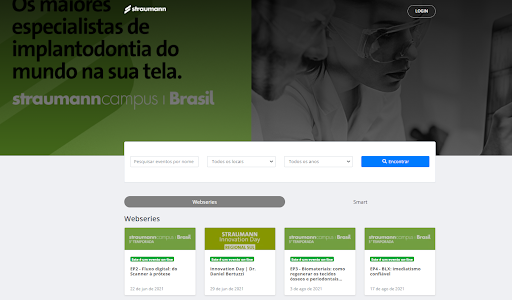
Event management platforms like Even3 already offer free basic website creation with all the features your event needs, plus special plans with your own exclusive domain. A domain, also known as a URL, is your website’s virtual address — with your own domain, your site stops being “www.even3.com/youreventname” and becomes “www.youreventname.com,” giving you more credibility and professionalism, and building trust with participants.
If you’ve chosen to manage your event through a platform, it’s essential that it integrates with your website — otherwise, instead of an advantage, it becomes a headache. An event platform makes organizing your submissions and registrations much easier.