If you’re an event organizer or thinking about pursuing this career, this guide will help you understand what it takes to plan and run successful events.
From choosing the venue to the post-event follow-up, the organizer is responsible for making sure everything runs flawlessly.
Here’s what you’ll learn:
- The key skills an organizer needs;
- How to become a successful event organizer;
- Essential tools for an event organizer.
What does an event organizer do?
In short, the event organizer is the professional who plans, coordinates, and executes the details of an event.
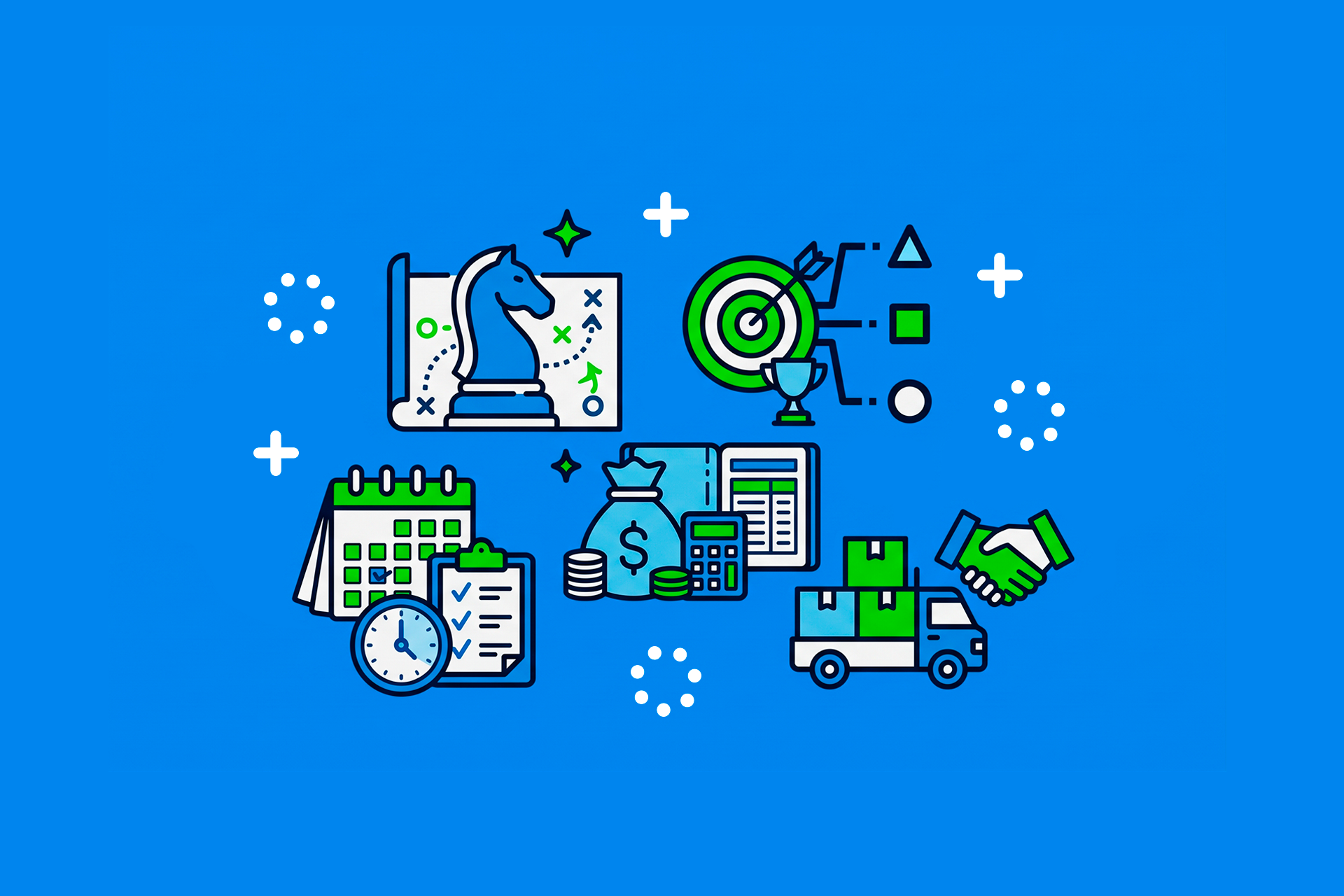
Among their main responsibilities are:
- Planning: Creating detailed timelines and defining clear steps for the event’s success;
- Negotiation: Establishing favorable partnerships with vendors and venues;
- Marketing: Promoting the event and attracting the right target audience, whether through social media, emails, or paid campaigns;
- Logistics: Managing the setup, teardown, and physical organization of the event;
- Post-event: Evaluating results, collecting feedback, and identifying opportunities for improvement.
Of course, these tasks are often carried out collectively with the support of a team.
But the organizer is usually the central figure who organizes and directs the activities.
For this reason, it’s essential to have skills in planning, organization, proactivity, people management, and negotiation.
Difference between an organizer, a promoter, and an event organizing company
How to become an event organizer?
As mentioned, becoming an organizer requires developing certain skills.
The good news is that they can be developed in different ways, such as through:
Academic education
There are good educational paths for those who want to pursue a career in event organization.
Starting with a degree in events, which is usually a technical program, or an event organizer course.
But you can also learn about the field through journalism, hospitality, public relations, or cultural production programs, among others.
This way, an academic background will help you connect with other professionals in the field, as well as open up more job opportunities.
Continuous learning
Another way to meet people and keep learning is to invest in specialized training and constant reading.
So attend workshops, courses, and industry events to sharpen your skills.
Also, stay up to date with content and news.
You can find this information in articles and educational material created by experts, such as the Even3 blog, which is focused on event organizers.
Building a network
Connect with vendors, partners, and other organizers to make negotiations easier and open up new opportunities.
Once again, attending industry events will be essential for developing this skill.
Focus on your target audience
Every event is unique, and success depends on how well you understand and communicate with your audience.
So create detailed personas and shape your marketing strategy to meet their needs and expectations.
Using feedback
Finally, a good event organizer is always looking to improve. And there’s no better way to do that than by learning from your own events!
So remember to run audience surveys after the event and analyze the results.
If possible, make sure you have a tool that can bring all of your feedback data together in one place, like Even3.
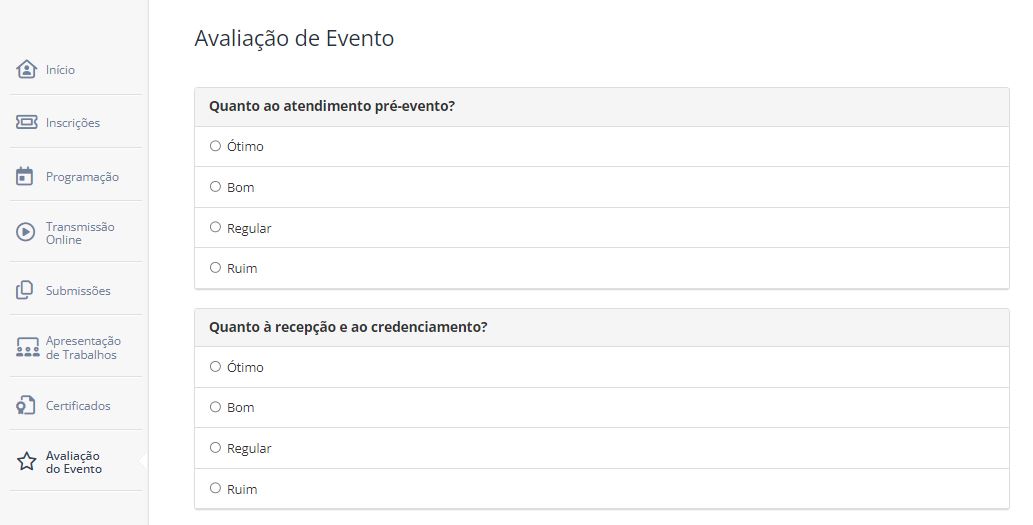
This way, you’ll be able to get an overview of the event, share it with your team, and find areas for improvement for the next edition.
How much does an event organizer earn?
An event organizer’s salary can vary quite a bit depending on the type of events they organize and their experience in the field.
In Brazil, for example, the average salary for employed professionals is around R$ 2,000 to R$ 5,000 per month.
However, freelance organizers or those handling large corporate events can earn more, especially when managing multiple events throughout the year.
Beyond that, financial support may be available through public grants, depending on the country.
Essential tools for an event organizer
- Asana: A task management tool that lets you organize projects and assign responsibilities among team members;
- Canva: Ideal for creating attractive visual content for events, such as website banners, flyers, and social media posts;
- SendPulse: This marketing automation tool lets event marketing professionals build WhatsApp chatbots to answer frequently asked questions about an event, or create a landing page for it;
- eNotas: Integrated with several platforms, including Even3, it makes issuing invoices simple and hassle-free (Brazil-specific);
- Google Analytics: Ideal for understanding audience behavior on the event’s website and adjusting marketing strategies;
- Google Ads: A tool used to reach the right audience through targeted ads;
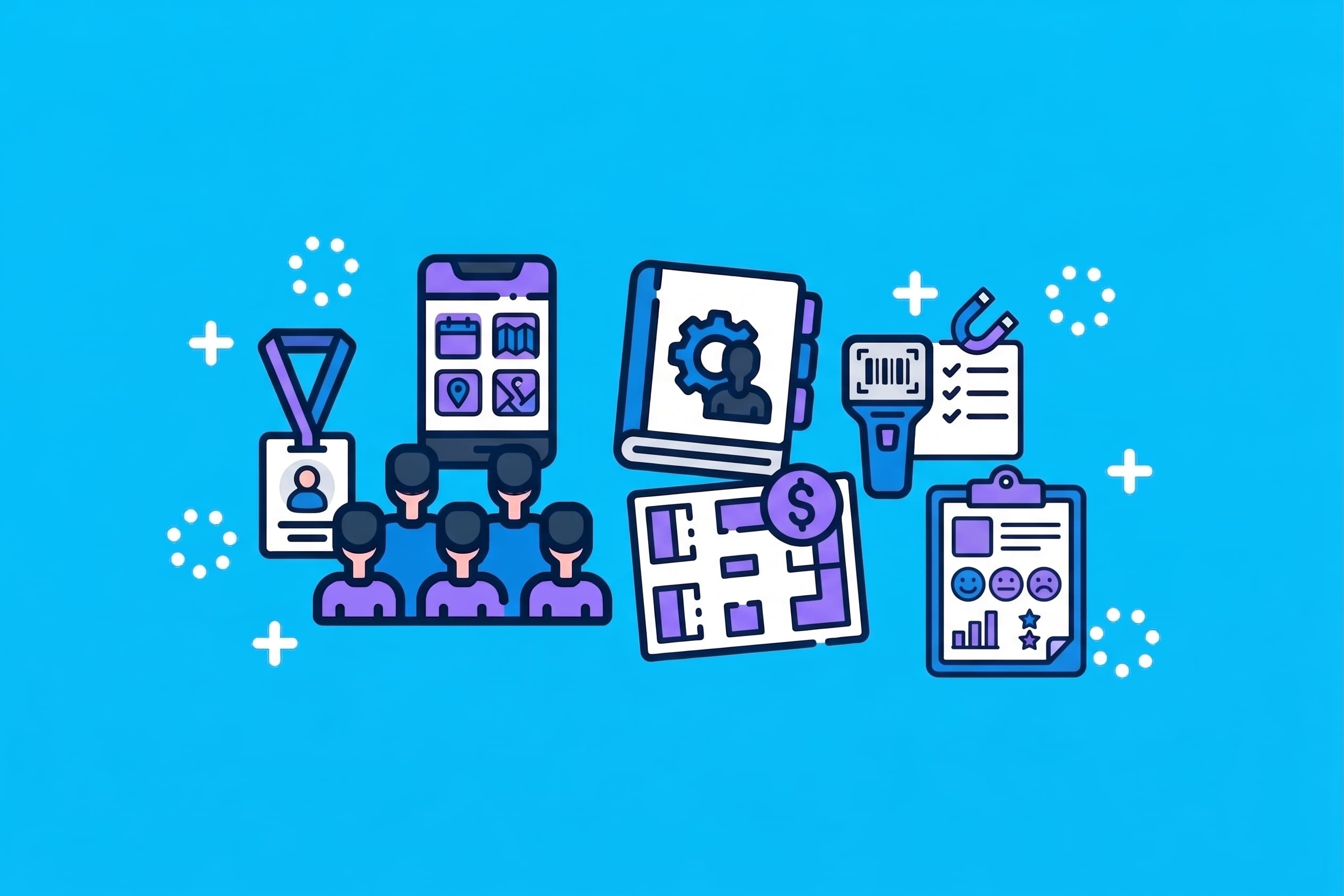
- Event platform: A tool to manage the entire organization of your event in one place. Build a website for your event, sell registrations online, track your attendees, send certificates, and much more.
With an event platform, you can automate several functions for your event and manage the main activities without leaving the tool.