According to LinkedIn research, a company’s brand is one of the most important factors in recruiting professionals.
But have you thought about how talent will actually get to know it? Employer branding can help!
This is a strategy for attracting the best professionals in your field and building an appealing image as an employer.
In this context, events can be your greatest allies!
Check out our full interview with Thereza Assis, People and Culture Analyst at Even3, with tips on boosting your employer branding through events.
What Is Employer Branding?
Basically, employer branding is the image a company/brand has as an employer.
In other words, it’s the perception employees, candidates, and the job market have of it.
It’s how an organization positions itself to attract and retain talent. As a result, it creates a desirable environment to work in.
Employer branding also tends to reinforce the importance of the brand to its customers.
After all, a positive perception of the company strengthens its identity overall.
Benefits of Employer Branding
- Organic marketing: in a good work environment, employees become organic advocates and promoters of your brand and its values;
- Increased productivity: motivated teams are more productive and innovative;
- Talent attraction: qualified professionals prefer to work at companies with a good reputation;
- Talent retention: satisfied employees are less likely to look for other opportunities;
- Lower hiring costs: faster recruitment, and fewer expenses on turnover, hiring, and training;
- Competitive advantage: your brand stands out from the competition by retaining top talent;
- Brand exposure: a company valued by its employees also gets more visibility and goodwill from customers and partners.
3 Employer Branding Strategies
1. Build a Strong Digital Presence
According to LinkedIn research, professionals research companies before applying.
So, keep your social media updated, share employee stories, and show off your organization’s values.
In this case, LinkedIn is ideal for showing your commitment to talent.
2. Promote Transparency and Company Values
Employees and candidates value organizations with a clear purpose and ethics.
So, make sure to communicate your values authentically, and show that the company practices what it preaches.
Social responsibility programs are also a great way to reinforce this image.
3. Invest in the Employee Experience
Finally, the employee experience is a key part of employer branding.
You need to show that working at your company is genuinely rewarding.
So, try to create amazing moments, from onboarding to development programs, benefits, and organizational culture.
Make sure employees feel valued and have the tools they need to do their jobs well.
In this context, events are important allies for creating unforgettable experiences, training, team integration, and even networking with partners.
How to Boost Employer Branding With Events
When it comes to events for employer branding, there are several formats depending on the audience you want to reach.
For example, hackathons can be ideal for attracting talent. On the other hand, workshops are essential for retaining people already on your team.
That said, it’s not enough to just pick the right format for the right audience. You need to create experiences that show attendees they really matter.
That’s why events tend to be one of the most important strategies in employer branding.
After all, they’re a direct way to build closeness. Your events can humanize your brand, build connections with real people, bring employees and leaders closer together, create memories… It’s a social experience that makes all the difference!
According to Thereza Assis, People and Culture Analyst at Even3 and an events specialist, to create these experiences, you need to think about how these events should reflect the culture your brand carries.
So, they can take different formats. For example, companies that value professional growth tend to invest in training, awards, and results meetings.
In some cases, having fun as a team is part of the organizational culture. So, it’s worth planning around special dates, like holiday parties or seasonal celebrations. Even sports competitions can add more personality to a company’s culture.”
Q – How Do Events Fit Into an Employer Branding Strategy?
Thereza: “Both internal and external events help spread a strong image of the company and communicate its culture, values, and purpose to the public.
That’s why every organization should build strategies based on its type of business and the goals set in its strategic planning.
These events can range from workshops to themed events, like celebrations of important dates.
What really matters is promoting actions that generate engagement and create positive memories tied to the workplace.
Here at Even3, we like to celebrate birthdays with a different theme each month, and then share these team celebration moments on our social media.
That way, we generate engagement both within our team and among the people who follow us on social media.”
Q – Are Recruitment Events Effective for Improving a Company’s Reputation? What Are the Best Practices?
Thereza: “Recruitment events, like job fairs, university events, and open houses, are extremely important for making a company appealing in the search for top talent, who’ll see it as an opportunity for growth.
But be careful: it’s important to have a strong employer brand, especially today, in a very active digital era, where candidates are always paying attention to how companies present themselves.
As a best practice, it helps to create an interactive, authentic environment.
Also, employee involvement is essential. After all, the more positively they speak about the brand, the more other qualified professionals will also be interested in joining it. This will help you reach the target audience you’re looking for.”
Q – How Can You Create Corporate Events That Improve the Employee Experience? Any Best Practices?
Thereza: “To create events that make a real impact on employees’ lives, you need to know them.
Pay attention to their aspirations and interests, and take their opinions into account.
You can use satisfaction surveys, like the ones we use for Even3’s post-event feedback, or informal feedback.
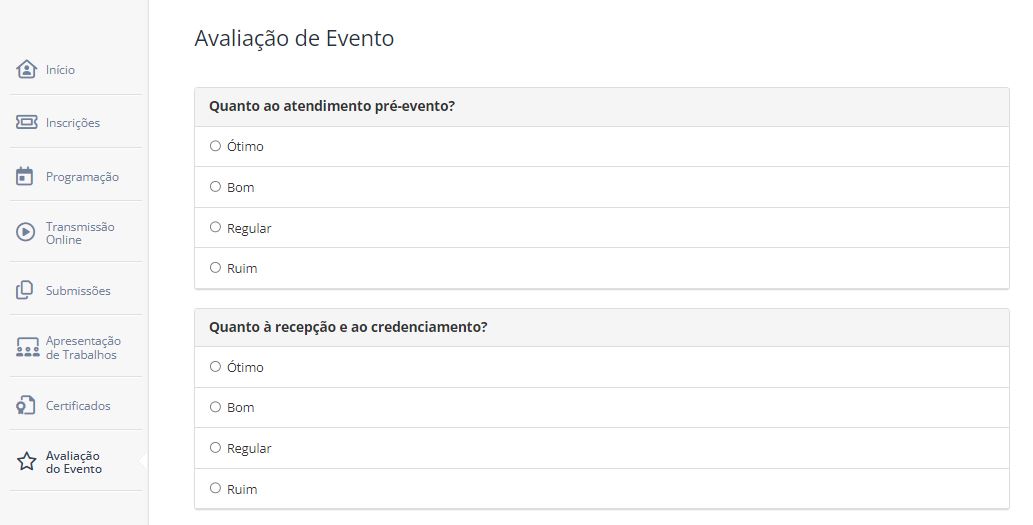
You can also promote interactive activities and encourage participation, so everyone feels represented.
For this, it’s very important to have well-structured planning and a defined budget for employer branding initiatives.”
Q – Any Tips on Tools or Activities You Can Use at Events for Employer Branding?
Thereza: “Here, the important thing is to engage people and create moments that add a positive image to the employer brand.
You can apply gamification to your event. For example, create challenges to complete during the event, or use interactive online tools like Kahoot or Quizizz.”
“You can also invest in activities like collaborative storytelling, where employees share their stories at the company and offer their perspectives on the work environment.
To organize all of this, I think it’s essential to rely on an event platform with business solutions, like Even3 for Business.
That’s because it’s important for attendees to be able to see the company’s other events there, register for the ones they’re interested in, leave feedback, and have an official contact channel with the event organizers. This shows professionalism!
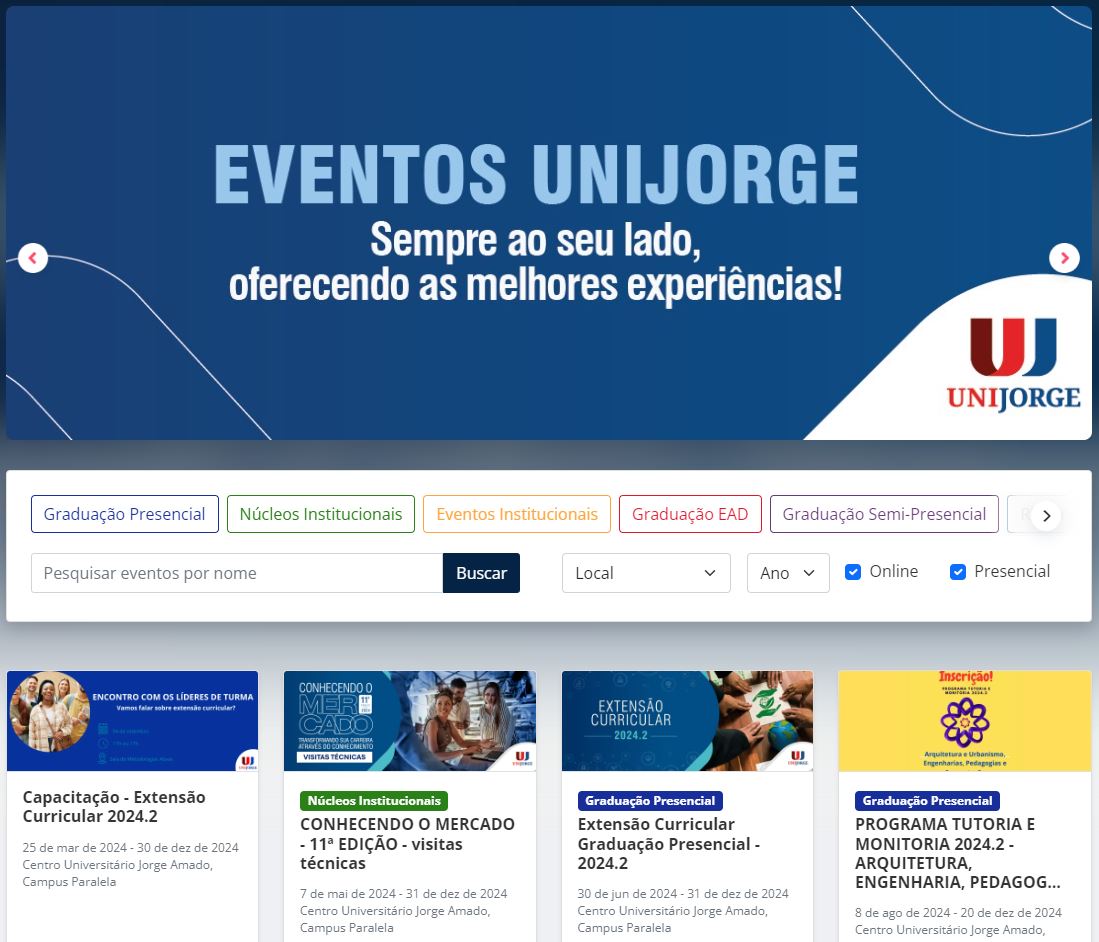
Also, on the company side, it’s much easier to organize more corporate events if you have a platform that lets you copy and paste settings, for example.
Plus, you get control over every stage of your events and the data generated, which can offer valuable insights for employer branding.”
Conclusion
Investing in employer branding through events is a powerful strategy for attracting and retaining top talent.
In this case, rely on Even3 for Business to create, manage, and optimize corporate events, ensuring memorable experiences for employees, candidates, and partners.
Don’t miss the chance to strengthen your employer brand and stand out in the market! Start planning your corporate events with Even3 now.