In 2019, people with disabilities made up about 25% of the Brazilian population, according to IBGE.
At the time, in-person events already had accessibility strategies in place, but we know a lot has changed since then. Especially because of the coronavirus pandemic…
Now that hybrid and online events have been gaining even more momentum and technological solutions, we know they have the potential to bring more and more people together, expanding the reach of events and lowering physical barriers.
But have you stopped to think about whether your event is truly reaching everyone? After all, these changes should also guarantee inclusion and accessibility.
With that in mind, we decided to create a guide with 5 best practices to ensure accessibility at online events. Here, you’ll learn a bit more about:
- How to plan accessible events?
- What are assistive technologies?
- 5 best practices to ensure accessibility at events.
How to Plan Accessible Online Events?
As you’ve probably already noticed, an accessible event is good for everyone.
So, planning online events with more accessibility is a lot easier than you might think.
To do this, you can focus on 3 crucial points that should already be mapped out in your event’s organization:
Team
To start, the best thing to do is get to know your audience. In other words, ask people with disabilities which resources they use and what the best way to support them is.
In this case, you can run audience research, talk with your followers on social media, or better yet, have people with disabilities on your event’s organizing and coordination team.
After all, diversity plays an important role in adding different perspectives to the event.
It’s also important that your entire team is trained to ensure accessibility.
For example, you can have Brazilian Sign Language (Libras) interpreters, as well as people responsible for checking that documents are in the correct format, writing descriptions, and facilitating interaction between attendees.
Communication
Speaking of descriptions and interpreters, these points are essential when thinking about your event’s communication.
Although many people with disabilities rely on assistive technologies, it’s also ideal for the organization to think about more inclusive communication strategies, relying on a variety of tools.
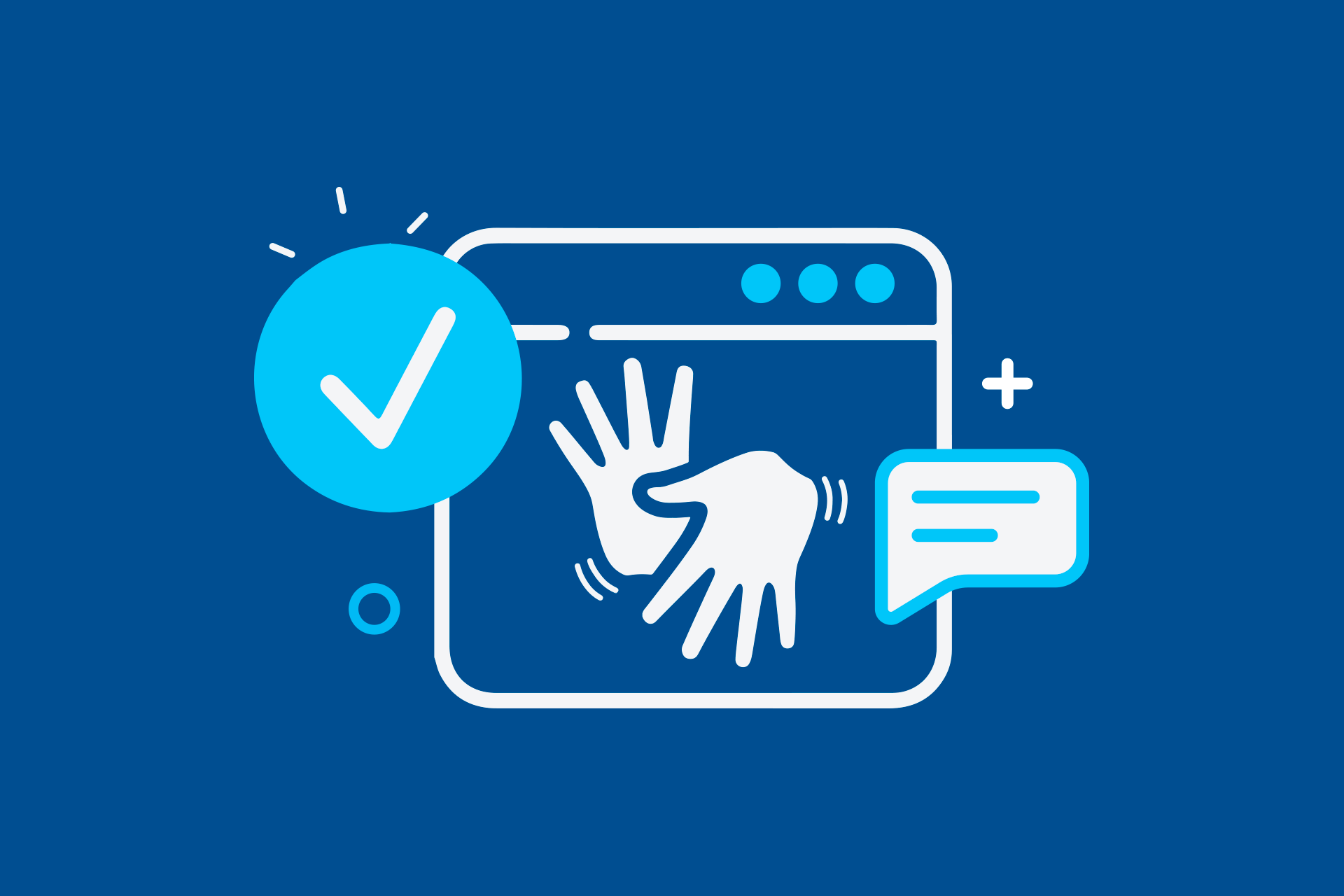
On the Even3 event website, for example, we offer VLibras, a free tool that automatically translates Portuguese into Brazilian Sign Language (Libras).
Activities
Finally, all these changes will certainly have a positive impact on your event’s program.
So, with a prepared, diverse, and communicative team, your activities will likely already be accessible, and your only concern will be making them more creative and engaging.
In that case, a good idea is to promote cultural activities for everyone, in addition to improving your event with the best practices for accessibility (which we’ll cover next).
What Are Assistive Technologies?
Before we get into accessibility best practices for your organization, it’s important to know about the solutions that already exist to make your online event more accessible — in other words, assistive technologies.
They cover a broad group of products, strategies, services, methodologies, and practices that promote greater independence for people with disabilities.
So, although it’s a broad group of technologies, in the digital space, it’s common to see the following examples:
- Traditional screen readers;
- Screen magnifier software;
- Hearing aids;
- Sign language avatars, such as VLibras on Even3;
- TelepatiX, an app for communication for people with severe movement limitations.
Since assistive technology often also depends on the devices the attendee with a disability has, it’s important to ensure a minimum level of accessibility on your event’s website and make it easier to use assistive technologies.
For example, it’s a good idea to avoid images without descriptions or the use of “x” and “@” in words, since these aren’t read by screen readers.
5 Best Practices to Ensure Accessibility at Events
1. Use PDF or Word Formats for Support Materials
If there’s one thing we love around here, it’s support materials in Even3’s online broadcasts.
However, to make sure everyone can read the material, it’s best to avoid image files, such as PNG or JPEG, since they can’t be read by screen readers.
In this case, the most recommended formats are PDF and Word.
2. Make Description a Regular Practice at Your Event
To improve communication and accessibility at your event, it’s important to encourage description.
So, ask speakers to make it a habit to start their talk by describing themselves, the environment, and especially the slides or visual resources used in the presentation.
On social media, it’s common for images to be used when promoting an event, and there’s nothing wrong with that! But ideally, the text in the image should be described after “#imagedescription” or through audio, if the platform allows it.
If you’re not sure how to write a description, best practices suggest you don’t need to describe every visual element, but rather cover the essentials — especially what’s written in the piece.
Even though it’s simple, it’s normal that not everyone knows how to write descriptions, so a good tip is to hire specialized companies or simply practice. Over time, describing will become second nature to you and a positive thing for everyone!
3. Don’t Forget Resources for Videos, Such as Audio Description, Captions, and Interpreters
When it comes to videos, there are a few alternatives to make them more accessible:
For blind or low-vision people, one resource you can use is audio description — an additional narration track describing the images.
In this case, you can hire a specialized company and choose a pre-recorded video format to make editing easier.
However, if audio description isn’t possible, another option is to provide a written script in advance as support material for attendees with visual impairments.
In addition, another important step is making videos accessible for people with hearing impairments. In this case, you can choose to add captions to recorded videos or count on Libras interpreters.
4. Avoid “x” and “@” in Gender-Neutral Language
When we want to avoid pointing to binary genders in communication, it’s common to add characters like “x” and “@” to words to represent everyone.
But this intention, along with these characters, isn’t understood by screen readers, which will misread them and fail to recognize what’s written.
So, as an alternative, it’s best to use neutral communication, replacing the gendered ending in words with a neutral form.
5. Say Your Name During Online Broadcasts, More Than Once If Possible
Besides the practice of description, another very important thing is to say the presenter’s name during online broadcasts.
This way, people with visual impairments can connect and match the voice to the person’s name and their description.
With all these accessibility tips, your online event will definitely attract a lot more people. So, how about giving it a free try?