There’s a dangerous gap in sponsorship sales: the time between the sponsor’s “yes” and the signature on the contract.
In that gap, the company’s budget changes. On top of that, the director who approved it goes on vacation, the marketing budget gets moved to another campaign… In the end, that sponsorship that looked closed is back to square one.
I see this happen often. But most of the time the problem isn’t the price or the tier. It’s actually how long it takes to turn the conversation into a signed document.
That’s because the delay usually has a very practical cause: the contract comes from one place, the signature happens somewhere else and, in the end, the file disappears into an inbox. But that can change!
In this article, you’ll learn:
- What a sponsorship agreement is and when it comes into the negotiation;
- How to win over good sponsors before you get to the contract;
- What Even3’s Sponsor Area delivers for you and for the brand;
- Which clauses an event sponsorship agreement needs to have;
- How to sign the sponsorship agreement digitally, inside Even3 itself.
That said, let’s take it step by step.
What a sponsorship agreement is
A sponsorship agreement is the document that formalizes an exchange: the company invests money, product or service in your event and, in return, receives visibility, access to your audience and brand association.
Notice the words in return, because they are at the center of everything.
In a donation, someone gives and expects nothing back. In a sponsorship, there is an expected return.
And it’s exactly that return that has to be written down. When it stays in a verbal agreement, each side keeps a different version of the same conversation.
So a sponsorship agreement isn’t about distrusting your partner. It’s about both sides having the same list in hand.
Before the contract: how to win over good sponsors
No sponsorship agreement can fix a weak proposal. So before we talk about clauses, it’s worth organizing the stage that comes first.
1. Know your audience in numbers
The sponsor isn’t buying your event. In practice, they’re buying access to your audience.
So have three answers ready, in writing:
- Who will be there? Job title, industry, education, region and decision-making power.
- How many will be there? Expected audience, based on the previous edition when there is one.
- What does the brand take home? Contacts, exposure, content, meetings, data.
If you don’t have those numbers yet, you can collect them by analyzing previous editions, the market you reach, or even by interviewing registrants.
2. Build sponsorship tiers with clear deliverables
Usually, three or four tiers are enough. More than that only creates confusion.
So for each tier, describe what’s included in countable items. For example:
| Tier | Examples of deliverables |
|---|---|
| Master / Diamond | Featured logo on the website and in the app, a slot in the program, on-site activation, Lead Capture app, mention in every circular |
| Gold | Logo on the website and in the app, booth in a prime area, Lead Capture app, one marketing email send |
| Silver | Logo on the website and in the app, standard booth, Lead Capture app, mention at the opening |
| Supporting | Logo on the website, mention on social media |
Basically, the rule is: if you can’t count it, don’t put it in the tier. In other words, “great visibility” isn’t a deliverable, but “logo on the event page and in three emails to our list” is.
3. Choose companies that already talk to your audience
To start, list vendors in your industry, companies that sponsored similar events, brands that advertise in the media your audience consumes, and institutional partners.
On the other hand, avoid the generic list of big brands. That’s because the conversation gets much shorter and more productive when your audience is exactly the customer the company wants.
4. Present a sponsorship project, not a request
A letter asking for support is easy to turn down. But a project with audience, tiers, prices and deliverables is easy to approve internally. After all, the person who receives it has to defend it to their boss.
5. Prove the result afterwards
Finally, the best time to sell next year’s sponsorship is right after this year’s event, with the report in hand.
So use the end of the event to keep the conversation warm with your sponsors, showing deliverables, improvements and benefits for the following year.
Even3’s Sponsor Area: what it delivers
Here, by the way, a change of perspective is in order.
So far we’ve talked about the organizer’s work. But the sponsor has work to do too!
At most events, they depend on the organizer for every piece of information. For example: how much does the Gold tier cost? What does it actually include? Has the second installment been paid? What was the artwork deadline?
When those answers are scattered across proposals, PDFs and WhatsApp conversations, two things happen:
First, before the purchase, the brand can’t compare the plans and takes longer to decide. On top of that, after the purchase, every question turns into a message for the event team.
That’s why Even3 has the Sponsor Area: a space of the sponsor’s own inside the platform, where they can independently follow everything involving their brand’s participation in your event.
Here’s what they’ll find there.
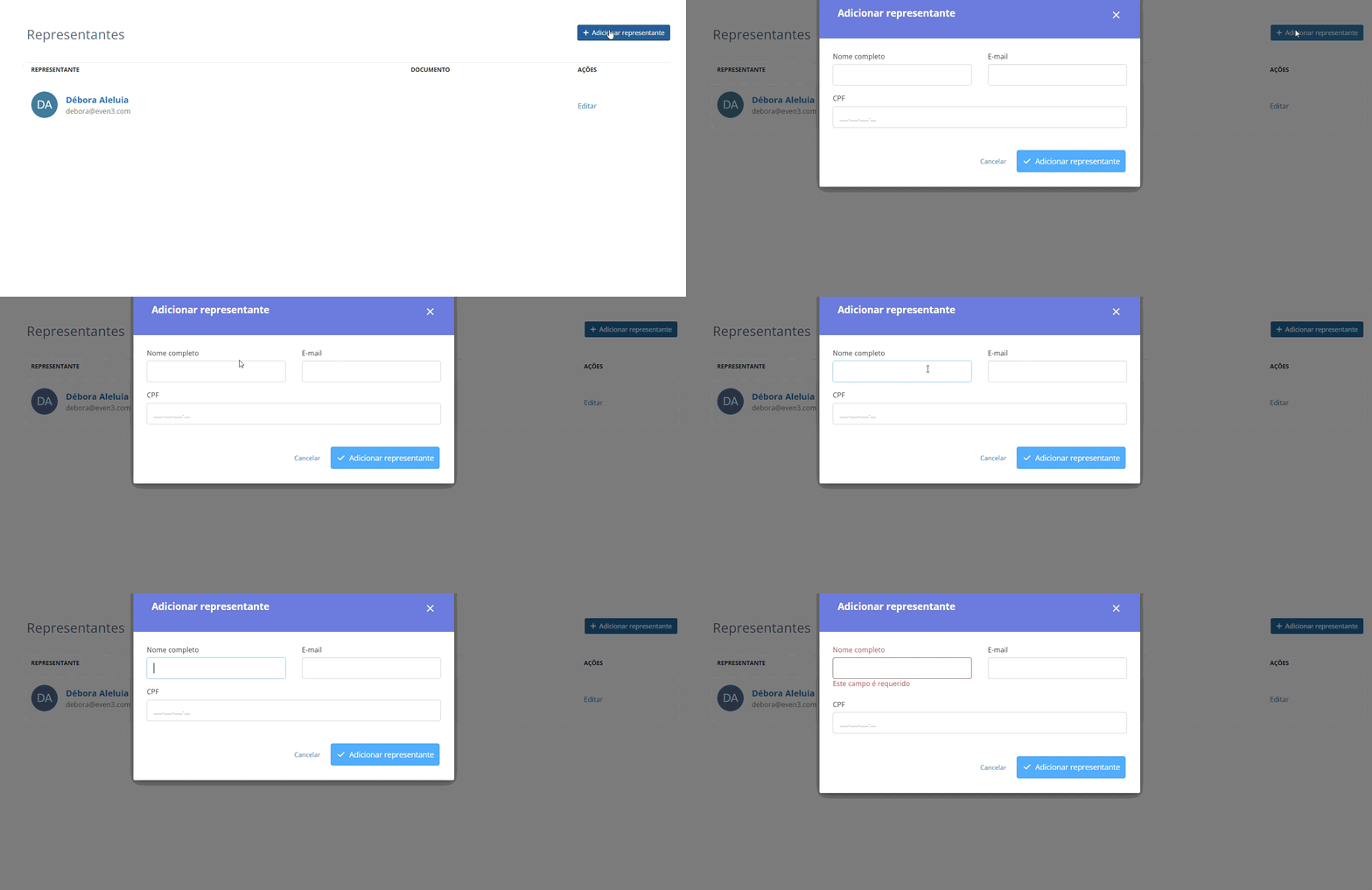
Sponsor representatives
First, the sponsor can add their team to the Even3 platform.
In other words, they register the company’s representatives, usually the marketing or legal team, to follow the contracts.
This matters more than it seems, because sponsorship is almost never decided by one person alone: the person who negotiates is usually different from the person who signs and from the person who sends the artwork. That way, with each representative having their own access, the information reaches whoever needs it, without being relayed.
Tiers organized, before and after the deal
This is the heart of the area, and it works in two moments.
Before the deal, the sponsor sees the tiers available at the event and compares the plans side by side, with the benefits included in each one. They work out on their own which tier fits the brand and get in touch to close it.
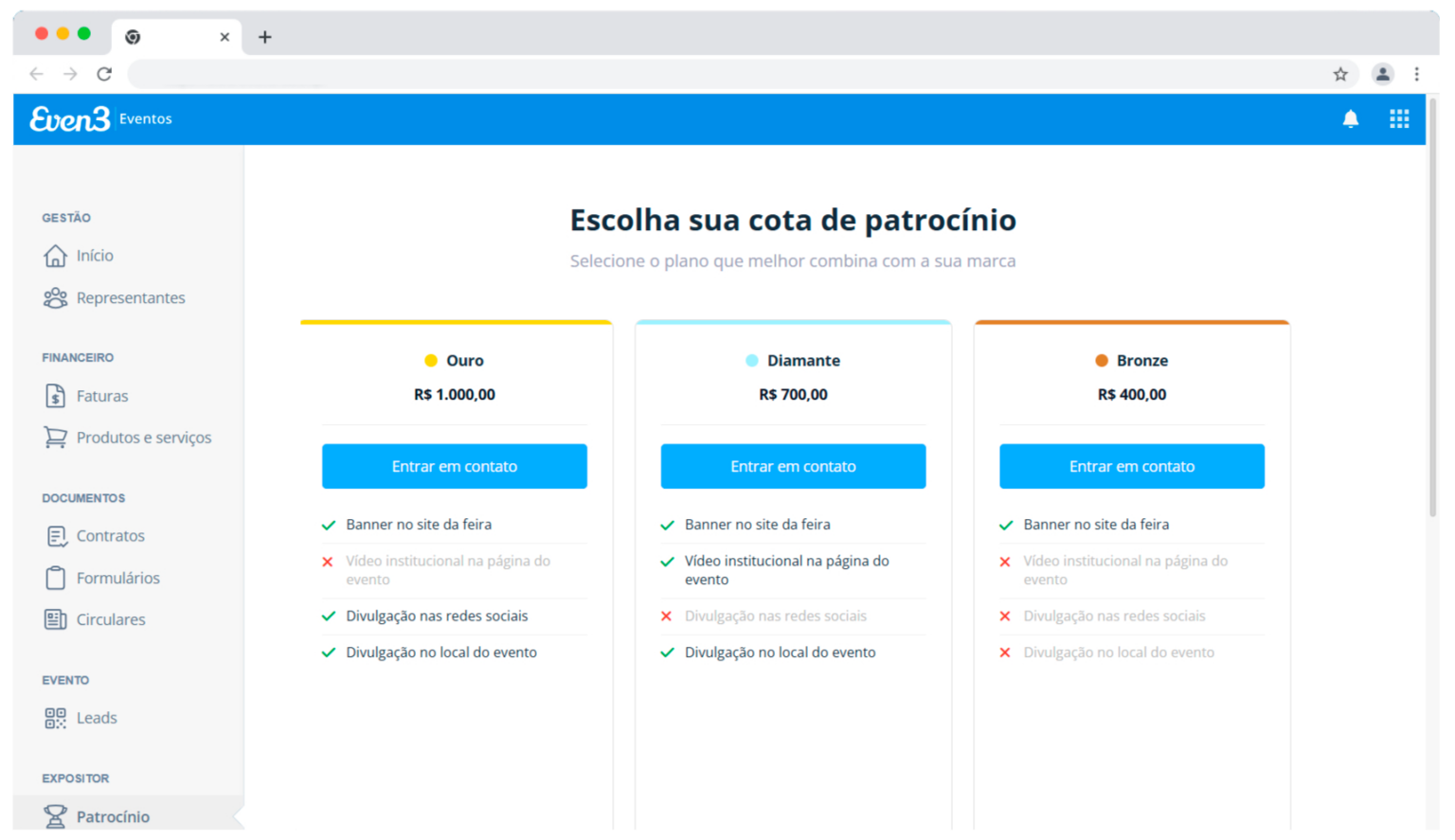
Notice the gain: instead of you putting together a presentation for each company and answering the same questions in every meeting, the comparison is already done and available.
After the deal, the area starts showing the My sponsorship tier section, with everything that was agreed on a single screen:
- tier purchased;
- contracted amount;
- purchase date;
- contract status;
- benefits included;
- payments.
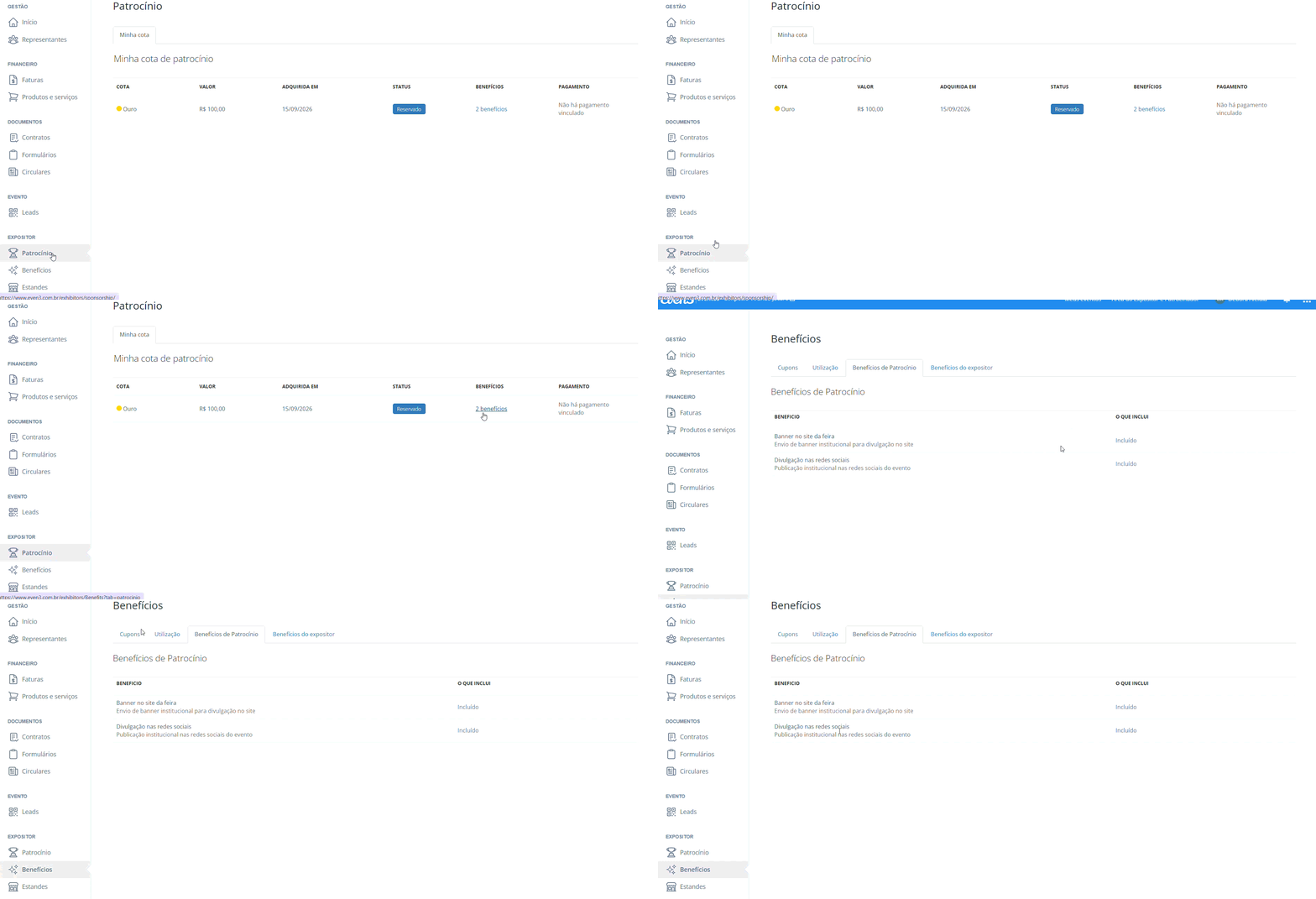
That way, it’s the same reference for both sides. In other words, when you and the sponsor look at the same screen, the “I thought that was included” conversation disappears.
Invoices
Beyond the benefits, the sponsor follows the tier’s invoices right there in the area: what has already been paid, what’s still outstanding and the dates.
That way, both sides can keep track of the finances with security and centralized control.
Buying trade show products and services
Beyond the tier, the sponsor can buy the show’s extra items through the area itself: furniture, additional power, on-site media, build-out services and whatever else the organization offers.
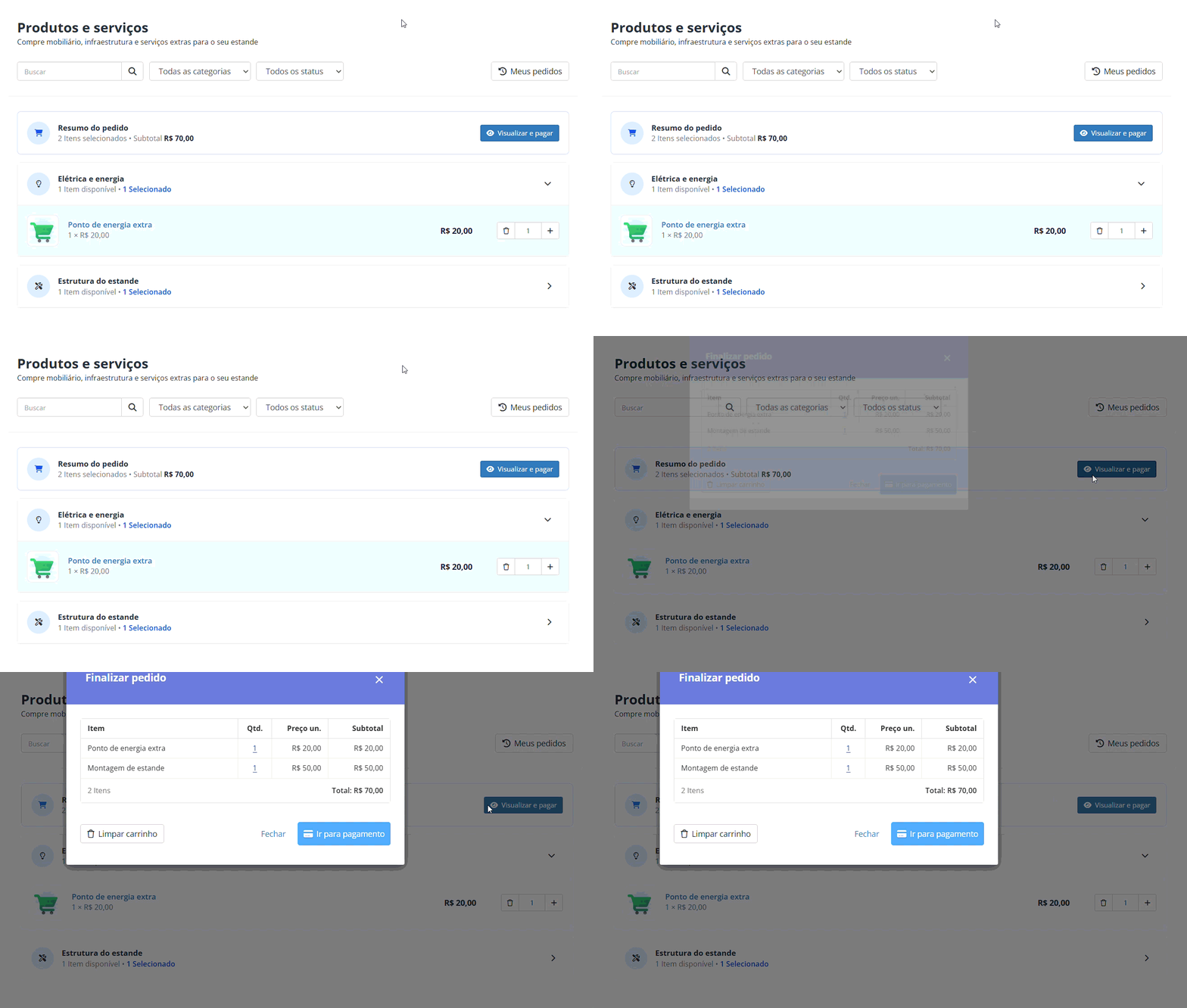
For the organizer, this is a revenue stream that usually gets lost.
Not because the brand doesn’t want to buy, but because asking is a hassle. After all, it takes an email, a price list, a confirmation, an invoice…
The Sponsor Area makes that purchase easier because it centralizes the item listing, secure purchase, billing and invoice issuing in one place!
Benefits
As you saw, every deliverable included in the tier appears in detail, with what it covers.
In other words, it’s the living version of that deliverables clause the organizer wrote into the contract.
But have you thought about what you can offer? On Even3, for example, you can offer discount coupons with a percentage or a fixed amount, limited quantity, expiration date and application to all tickets or to specific categories. It’s a cheap deliverable, but a valuable one for the brand, because it takes something concrete to their customers.
This also covers deliverables like showing the brand on the event page, in the 2D Hall — the digital exhibitor and sponsor hall you build without needing a designer — and in the event app, which is where attendees look most during the show days.

Booths
Whenever the tier includes space at the show, the booth appears in the Sponsor Area.
That way, the sponsor knows exactly which space on the map is theirs and what’s included in their booth.

Documents: circulars, contracts and forms
On top of that, all the paperwork in the relationship is gathered in one place:
- Circulars: the organization’s official notices are recorded by type and date sent. For example, a circular about the artwork deadline, build-out hours, venue rules, registration and so on;
- Contracts: this is where the Digital Signature tool lives. The organizer creates the contract, sends it for signature, and the signed document stays filed and linked to that company;
- Forms: forms created by the organizer to collect specific information are saved in each sponsor’s Area. Instead of chasing every answer, the organizer publishes the form and tracks who has already responded without leaving Even3.
Lead capture
Finally, the concrete return: leads. With the Lead Capture App, the sponsor’s team scans the visitor’s badge on their own phone during the event, rates the level of interest and writes a note. At the end of the event, the list of leads is organized in the Sponsor Area.
In practice, this is one of the richest features for measuring the event’s return with real data.
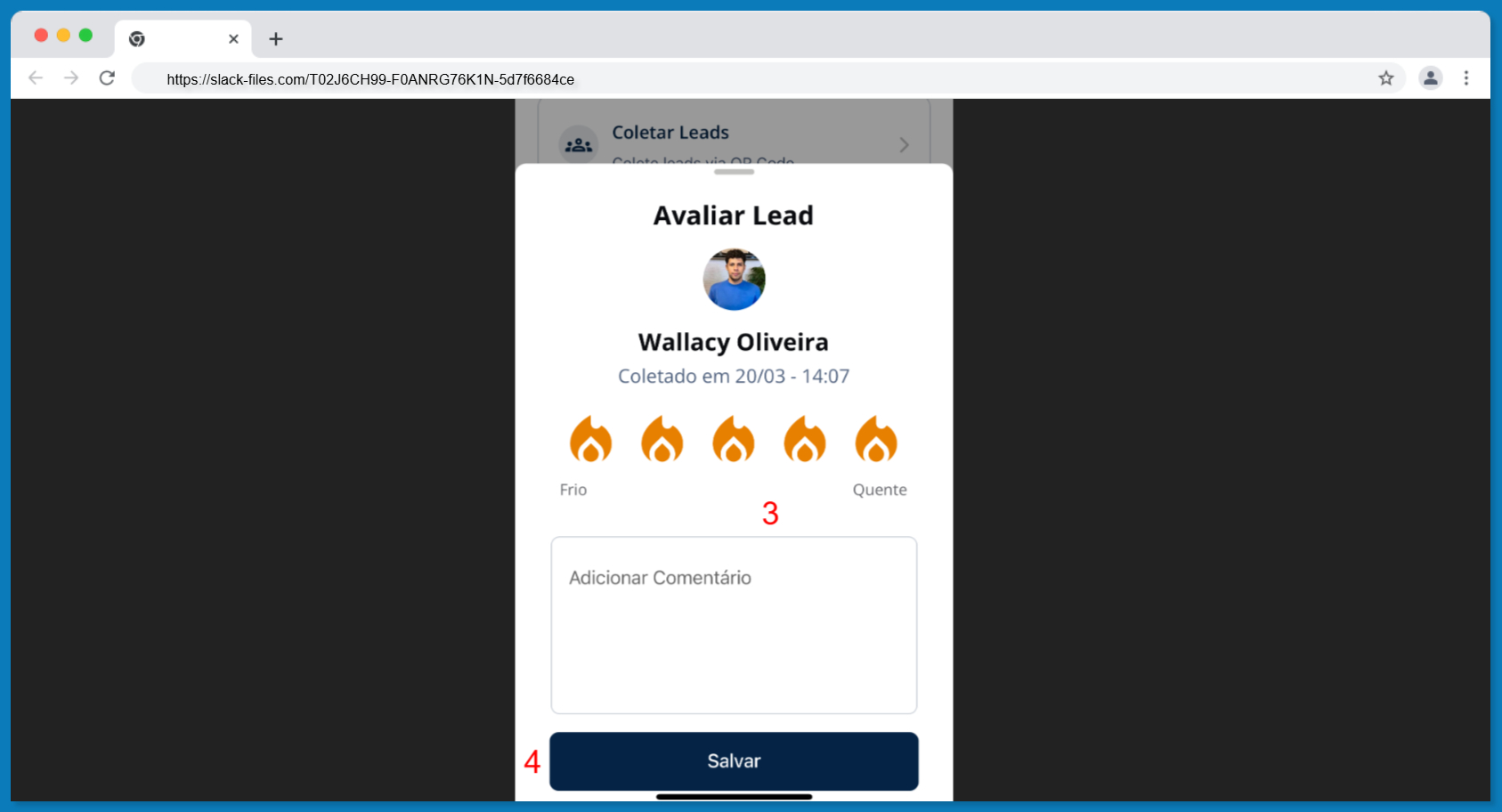
With all these features, by the end of the event the sponsor acts with much more autonomy and the organizer manages exhibitors and sponsors far more easily!
What an event sponsorship agreement should include
Even with everything technology makes easier, you still need to formalize the sponsorship with a document.
An event sponsorship agreement doesn’t have to be long, but it does have to be specific. So use the list below as a checklist when you review yours:
1. Identification of the parties
Legal name, tax ID, address and legal representative details for each side. On top of that, confirm who has the power to sign for the company, because not every commercial contact is the legal representative.
2. Subject of the contract
One sentence that says what is being contracted. Something like: “Gold tier sponsorship of [event name], held on [date] at [venue]”.
3. Description of the deliverables
This is the most important clause, because it creates friction if it isn’t clear.
List the deliverables item by item, with quantity, format and deadline. For example:
- where the logo appears (website, app, email, printed material, main screen) and at what relative size;
- how many marketing emails and on which dates;
- whether there’s a slot in the program, with duration and format;
- whether there’s a booth, with number, category and floor area;
- how many complimentary passes or registrations are included;
- whether there’s access to attendee data and under what conditions.
If necessary, also write down what isn’t included to avoid misinterpretation.
4. Amount, payment method and payment terms
Total amount, number of installments, dates, payment method, bank details and, if applicable, a late-payment penalty. If the sponsorship comes as a product or service (barter), describe the item and its equivalent value.
5. Material delivery deadlines
The sponsor has obligations too. Define by when they need to send a high-resolution logo, copy, artwork and booth information — and what happens if they send it late.
6. Use of brand and image rights
Mutual authorization to use the logo and name in promotion, with usage limits and a term. Also include authorization to capture images at the event.
7. Data protection
If any deliverable involves sharing attendee data, the clause needs to say what the legal basis is, which data is shared, for what purpose and for how long, under the data protection law that applies to your event. On top of that, only share data from people who expressly authorized it.
8. Cancellation, postponement and force majeure
What happens if the event is postponed, rescheduled or canceled? Define refund percentages and deadlines. In fact, after 2020, no event contract should go out without this clause!
9. Termination and penalties
In which situations each party can end the contract, with how much notice and what penalty. In other words, what happens when the partnership doesn’t go all the way.
10. Jurisdiction and signatures
Finally, the city chosen to settle any disputes, plus the date and the signatures of the parties.
A necessary note: this checklist is practical guidance, built from what shows up most often in event contracts. It doesn’t replace review by a lawyer, especially for high-value sponsorships or ones involving public funds and tax incentive laws.
How to sign the sponsorship agreement on Even3
Now, to the practical part! Even3 has a native Digital Signature tool. In other words, you no longer need to export the contract, upload it to an external signing service, download the signed PDF and store it in another folder.
Everything happens inside the platform. Basically, you attach the PDF, indicate who signs on each side and send it.
On the other end, the sponsor signs in their browser without creating an account, installing software or having a digital certificate.
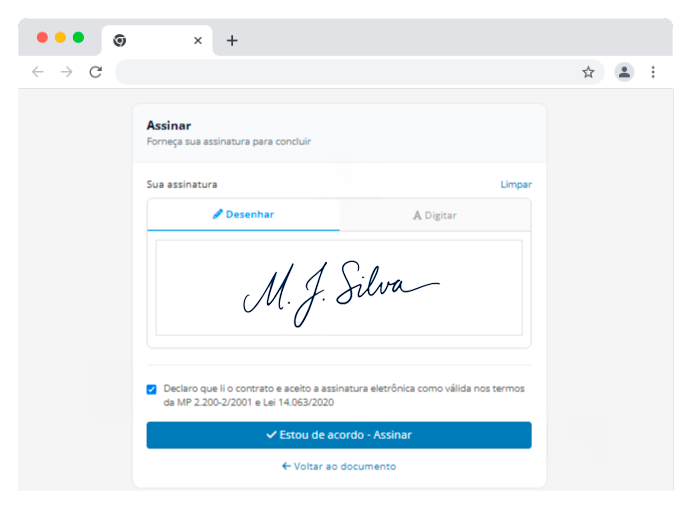
In practice, that means:
- real-time status, so you stop asking by message who has already signed;
- a saved draft while legal reviews the document;
- a recorded refusal with date and time, if the sponsor asks for changes;
- the file in the right place, next to the tier, the circulars and that brand’s record — which saves you when it’s time to report months later;
- the same flow for booth contracts.
And yes, electronic signatures are legally valid.
Frequently asked questions about sponsorship agreements
Does a sponsorship agreement have to be notarized?
No. For contracts between private companies, registration isn’t mandatory. Even so, it can be advisable in specific cases, such as very high-value sponsorships or ones involving guarantees. So it’s worth checking with your legal team.
What’s the difference between a sponsorship agreement and a sponsorship letter?
A sponsorship letter is a simple document, usually a statement of intent or of support. A sponsorship agreement, on the other hand, is the full instrument, with deliverables, amounts, deadlines and penalties. So for any sponsorship with money involved, use the agreement.
Can I use a ready-made sponsorship agreement template?
You can, as a starting point. But every template needs to be adjusted to your tier’s real deliverables and reviewed by a lawyer. The part that should never be copied, by the way, is the description of the deliverables, because it’s specific to your event.
Do I need a digital certificate to sign on Even3?
No. The signature happens on the platform itself, with no installation and no certificate. To confirm it, the signer receives a 6-digit code by email, valid for 4 hours.
What if the sponsor doesn’t agree with the contract?
On the signing screen, besides “Sign document”, there’s a “Decline” option. The refusal is recorded in the contract history, with date and time. Then you adjust the document and create a new send.
Can I prepare the contract without sending it right away?
Yes. When creating the contract, choose “Save draft” instead of “Finish and send contract”. This is useful whenever the document still needs to go through an internal review.
Can exhibitor contracts be signed the same way?
Yes. The same flow works for booth and exhibitor contracts, which are filed alongside each company’s record.
How quickly does the contract need to be signed?
As fast as possible after confirmation. The drop-off rate grows with every week between the verbal yes and the signature. That’s why it’s worth having the template ready even before the last meeting with the sponsor.
Close the loop in one place
Landing sponsorship is a job of persuasion. Keeping the sponsor, on the other hand, is a job of organization.
When the tier, the deliverables, the signed contract, the circulars and the participation data all live in the same place, two things improve: you spend less time double-checking and you have far more material to sell the next edition.
On Even3, the organizer runs the entire event operation easily. Not only sponsorship sales, but ticket sales, booths, the event program, certificate delivery…
It’s time to build your event page and start landing sponsors. Define your tiers and get started.