Do you know how many days it takes to build an event from scratch? An event timeline will give you that answer!
It’s really important because it can determine how complex organizing your event will be. After all, it’s where you define how much time, money and staff you’ll need to invest.
It also serves as the foundation for defining a company or institution’s entire annual event calendar.
So how about starting to plan your events with more organization? Learn how to build your own event timeline, and download an editable template at the end of this post.
What is an event timeline?
Basically, a timeline is a graphic representation of a project’s plans.
So when used for events, it illustrates the activities the organization intends to carry out. It should therefore include deadlines and assigned people in charge.
So it’s an essential part of event planning.
Why create an event timeline?
With a well-defined event timeline, you’ll know how much time you need to organize your event.
This way, you can start planning at the right time, and even fit other events into your schedule if time allows.
You’ll also get benefits like:
- Faster prediction and resolution of problems;
- Making sure every essential step and activity for the event gets covered;
- The same timeline can be reproduced and reused for other events.
How to create an event timeline?
1. Define the activities for each stage of the event
To get started, your timeline should list the essential activities for each stage of the event. Do you know what they are?
Before the event
This is the planning stage, where you define the event’s main points. Common activities include: building your team, choosing the venue, creating the visual identity, and more.
During the event
This stage starts on the first day of the event. Common activities include: check-in, opening and closing presentations, coffee breaks…
After the event
Tracking results after the event. Common activities include: delivering certificates, creating reports, gathering feedback…
At Even3, we created a free checklist with the actions needed for each stage of organizing an event. You can download it now and use it to make sure nothing is left out of your timeline.
It’s also essential to align your activities with the goals you want your event to achieve.
This will keep everyone focused on the tasks needed to reach those goals.
For example, if you’re using the event to build communities, you’ll probably need to add digital marketing tasks to your timeline.
2. Estimate deadlines and assign people in charge
Once your goals are defined, it’s time to list the priority activities in your event timeline.
In that case, start by determining the main actions to carry out and the deadlines for completing them.
They should be assigned to team members, and the estimated time to complete them needs to account for preparation, execution, and unforeseen issues.
The more complex these activities are, the less time you’ll have for other secondary activities.
That’s why it’s worth using technology to make organizing your event faster and easier.
For example, using an event platform like Even3 to simplify your more complex activities.
After all, Even3 handles event organization tasks in seconds, or even automatically.
This way, you don’t need to worry about building event websites, issuing certificates, or shortening check-in lines… the platform handles it all for you!
So you’ll have more time left to focus on other activities that can take your event to the next level!
3. Organize your finances with the event timeline template
You’ll certainly need money to carry out some of the activities on your event timeline.
That’s why you need financial planning!
To help you out, Even3 created a free, essential spreadsheet for planning any event.
It includes an editable event timeline template and a finance spreadsheet all in one place.
This makes it easier for your whole team to keep track of these areas.
With your spreadsheets in hand, you should decide how much money each area will receive, right during the organization phase.
Make sure you have the cash to pay suppliers, speakers, the venue… everything defined at the start!
You can also factor in sponsorship quotas or expected ticket sales, if that applies to your event.
That said, remember you don’t need to spend a lot to put on a great event! Just align your timeline’s activities with what your event’s budget allows you to do.
4. Review your timeline often
Finally, your timeline isn’t set in stone.
Of course it’ll help you organize events faster, but you can still add other activities as the event unfolds.
That’s why it’s important to constantly review and update your timeline. Try editing Even3’s free template!
This way, you’ll find your own organizational rhythm, looking for what’s fastest and easiest for you.
Over time, you’ll be able to predict problems, resolve them more quickly, and understand how much time you need to organize each type of event.
This will even let you organize more than one event a year. Have you ever considered that possibility?
Corporate event timelines: how to build one?
As I mentioned, an event timeline gives you an advantage in time and efficiency.
So you’ll be able to reproduce it multiple times. That’s why companies or institutions with a high demand for annual events usually create their timelines at the start of the year.
Typically, dates are pre-defined well in advance, suppliers are contacted, and teams are assigned to handle activities.
But did you know there’s an easier way to organize these events?
Nowadays, Even3 centralizes all organization activities in one place.
This way, it turns activities that used to require large teams into automatic or simplified actions.
That’s because the tool lets you copy events, import attendees, create a portal with all of your company’s events, and much more.
In fact, the portal works as an events calendar, and lets attendees search for and join other activities at your institution.
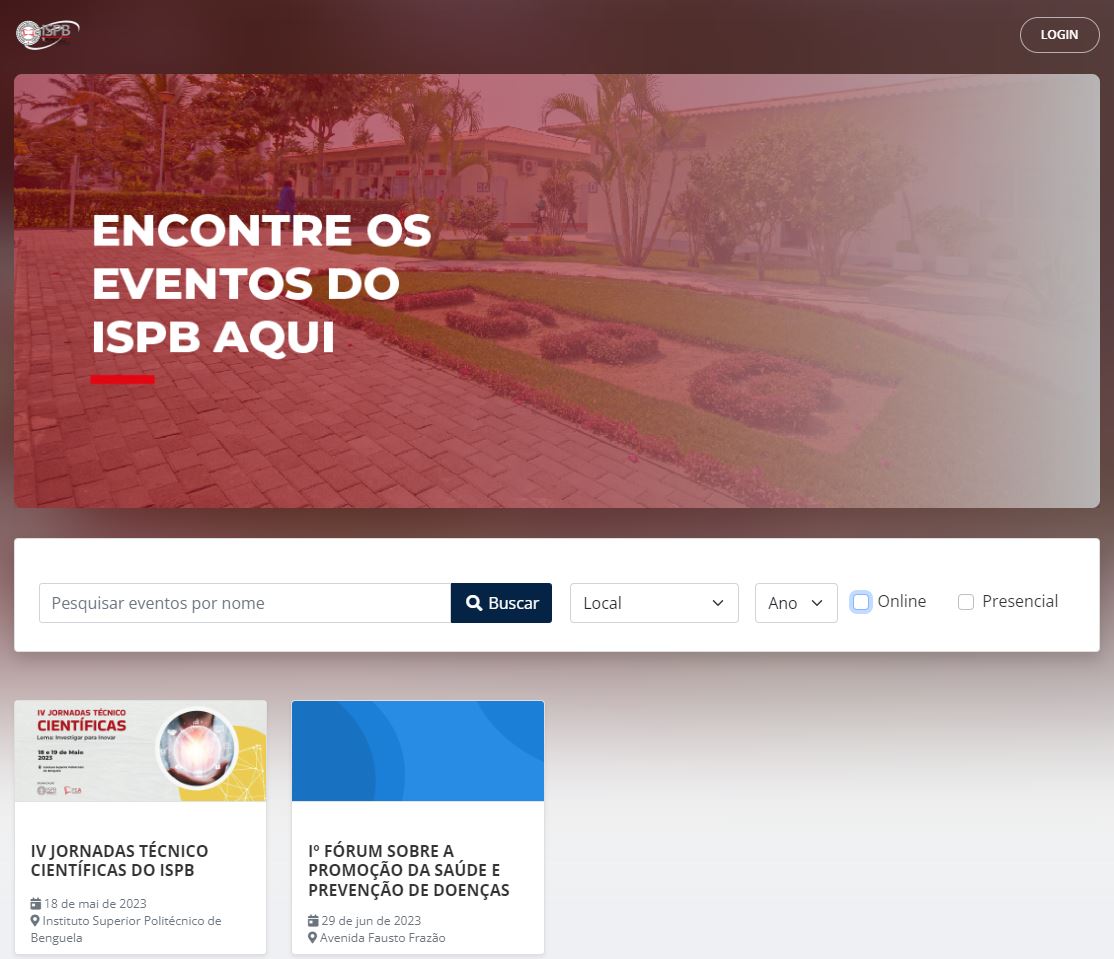
This way, it becomes an indispensable tool for anyone who wants to run recurring events and stick to their timelines.
Want to start using it right now? Discover Even3 and optimize your event timelines, simplify your processes, and get a free consultation with Even3’s experts.