
The days of organizing a spiritual retreat by writing names down on lists, handling cash, and promoting the event by word of mouth are long gone.
Nowadays, advances in technology make organizing retreats much simpler and faster.
For example, it’s already a reality to have event websites, online sales, and even welcome people from all over the world!
This has changed the way spiritual retreats are run. Do you already know about these new possibilities?
Some tools even let you organize a retreat from start to finish without needing a large team.
Learn more about what’s new, and check out:
- What is a spiritual retreat?
- 6 tools that make organizing spiritual retreats easier
- Step by step: How to organize a spiritual retreat?
What is a spiritual retreat?
A spiritual retreat is a religious event that aims to provide an experience of faith and, almost always, of tranquility.
That’s why they’re so popular, and happen across many different religions.
Since the goal is to spark reflection or a transcendental experience, this type of event is usually held far from major urban centers.
But it can take different formats!
Some offer lodging, some vary between having multiple activities or just meditation, among other possibilities. They can also be retreats for young people, children, couples…
In general, they last more than one day and take place in locations with more contact with nature.
This way, they aim to promote a break from the fast-paced routine and more time for connection with yourself and your beliefs.
For this reason, spiritual retreats require careful organization. After all, the wrong venue can ruin everything!
There are also concerns around costs, transportation, lodging, and more. But I’ll share some tips that can make this organization much simpler!
6 tools that make organizing spiritual retreats easier
1. Online registration form
Have you ever imagined how many lives could be transformed by attending that spiritual retreat that impacted you?
Sometimes, any little bump along the way can make someone give up on their first experience!
Having to talk to someone to register, travel somewhere, buy tickets in person… all of this can be a barrier!
But invitations become much simpler with a registration form: just send a link!
Plus, organizers no longer need to worry about writing down every attendee’s data, building spreadsheets, and struggling to keep track of everything.
That’s because event platforms like Even3 let you build your own registration form and request whatever data you want!
You can also track registrants in real time, chat with them, and even enter data and registrations manually.
2. Ticket sales platform
Speaking of registration, it’s very common for spiritual retreats to charge for tickets to help maintain a good structure for the event.
This is one of the areas that needs the most attention from organizers. After all, you’re handling other people’s expectations and money.
So it’s essential to offer everyone a secure payment method. In other words, no dealing with physical payments and cash that could get lost!
Since you may be handling a large number of registrants, you need full control over your sales.
That’s why you should choose a ticket sales platform.
This way, attendees can pay for their registration securely in a virtual environment, using cards, Pix, or boletos.
This is more accessible even for attendees from other locations, and can widen the reach of your spiritual retreat.
3. Online financial management
Still on the topic of finances, another tip is to use a sales dashboard to track your fundraising. So look for platforms that offer this option, like Even3.
This way, you can view your sales in real time and make sure nothing is left out of your event’s balance.
If you want, this dashboard can also be viewed by other organizers, like a treasurer.
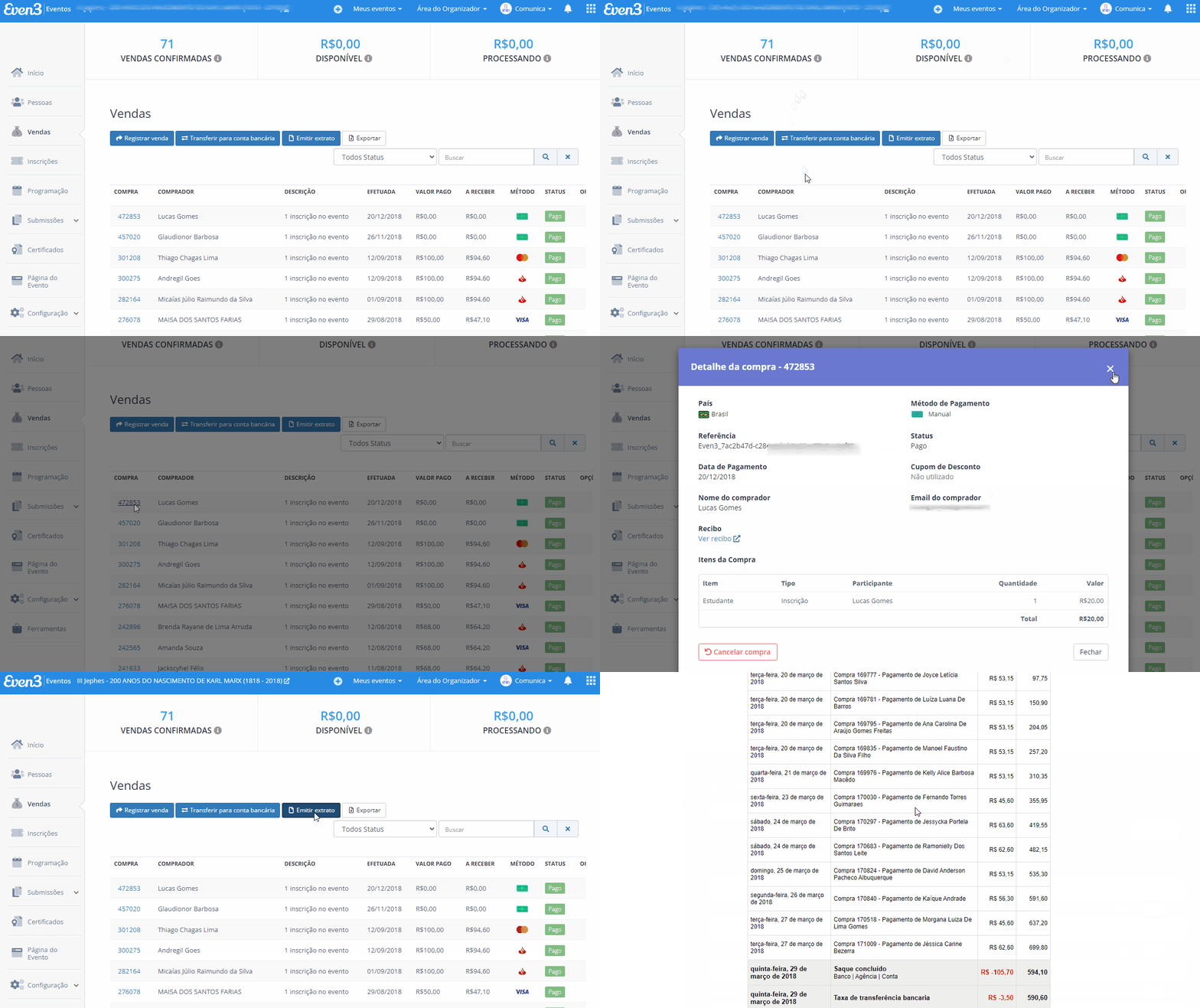
You can also export the data and be transparent about the retreat’s earnings.
4. Website for the event
Promote your event, the registration area, the schedule, and set up an official communication channel with your attendees. All you need is an official website for your retreat!
It’ll make promoting your event much easier, and help it get found organically on Google.
But you don’t need to worry about building it from scratch with coding or large tech teams.
Even3 creates a website for free for any event organized on the platform.
It can be customized easily, with no advanced knowledge required!
Finally, with a tool like this, you can focus more on promoting your event’s website.
5. Email marketing for spiritual retreats
Speaking of promotion, you can also use tools that will boost your retreat’s digital marketing.
If you already have some marketing knowledge, you’ll probably use social media, CRMs, ad managers…
But don’t worry if you don’t know where to start! To help, Even3 created a free kit with everything you need to know about Event Marketing.
You can also use our email marketing tool right within your own event, and send emails to many people at once!
This feature is available for free within any event created on Even3. Just click the “Notify People” button in the platform’s People menu.
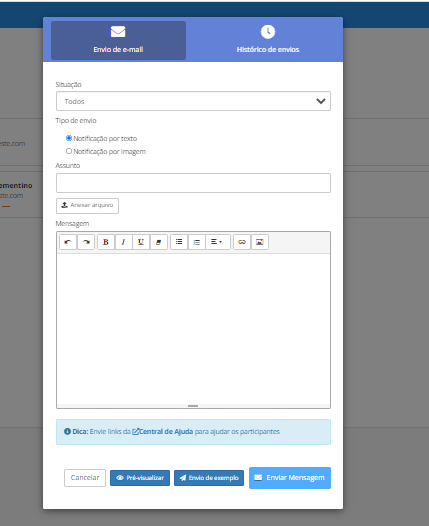
There, you’ll have access to:
- Email templates;
- An email creation area;
- Bulk sending to all your attendees with a single click;
- Segmented sending to different groups from your event, such as registered attendees, organizers, site visitors, etc.
6. Events portal
Finally, as I mentioned, spiritual retreats are often organized for different audiences, but many times by the same institution.
In those cases, an events portal is essential! That’s because it organizes all your events in one place.

This way, your events can be more easily found by anyone.
Plus, your attendees can discover other activities and even join them.
To set up your own portal, just talk to Even3’s experts in a free consultation.
How to organize a spiritual retreat?
With the right tools in hand, you’re ready to focus on the key points for creating a truly transformative spiritual retreat!
Follow this step by step:
1. Understand your audience
First of all, this is the essential starting point for any type of event. A spiritual retreat is no different.
This is the moment to define which audience the event will target. For example, whether it’ll be a retreat for young people, children, or other groups.
It’s important to build an audience profile. This helps make the event more engaging, plan effective promotion strategies, and choose the best speakers to invite.
2. Pay attention to the crucial details
Now that your target audience is defined, it should serve as the basis for defining the event’s key information, such as:
Date and time
Spiritual retreats commonly take place on weekends or long holiday weekends. But that’s not a strict rule!
For retreats aimed at young people and children, school vacation periods work great.
Keep a calendar handy and choose dates when your audience is most available.
Theme
Although optional, most retreats have a theme. This helps create a connection with your audience and attract them.
So the theme should spark attendees’ interest. It’s also always tied to the event’s branding, like its colors and objectives.
Food
Food obviously influences the quality of your event’s experience.
So remember to organize your kitchen team, the necessary supplies, and the menu you’ll offer.
It’s really important that you respect your attendees’ dietary restrictions and keep them well fed.
So remember to ask about this in your registration form, and be prepared to accommodate vegans or vegetarians.
Health
You may also need a medical team available at your retreat, especially if it’s held somewhere far from the city.
So be prepared to have people on standby in case first aid is needed.
Venue and transportation
Finally, the venue is one of the most crucial points of a spiritual retreat. That’s because the comfort offered and shared spaces impact the experience attendees have at the event.
So choosing the venue should take your retreat’s goals into account.
Are you planning group games, or do you want to promote leisure moments? Then it’s ideal to look for spaces with wide-open areas, a pool, or courts… Again, it all depends on your audience.
You’ll also need to organize lodging and transportation to the venue. So create maps to help people find the event and get around within the space too.
A good idea is to create an app for your event and share the map there. This makes accessing information much easier, since everything is centralized in one place.
It’s also worth looking for venues built specifically to host spiritual retreats, and checking out the services they offer.
But obviously, all of this will also weigh on your budget. That’s why finances are the next step!
3. Price your registrations the right way
Now that we’ve reached the finance part, you’ll need to consider the registration price and your expenses.
First, you should have a financial plan that accounts for the event’s cash inflows and outflows.
To get started, you can use Even3’s free financial planning spreadsheet.
Remember to factor in the fundraising method you’ll use for the retreat.
So, if you decide to sell registrations, it’s essential to consider a few aspects, such as:
- Your event’s audience profile and their financial willingness to invest in the experience;
- The main costs associated with holding your event;
- The prices charged for similar events organized by other organizations;
- Whether or not you want to make a profit from the event’s registration fees.
4. Create a dynamic schedule
Unlike traditional events, a spiritual retreat should offer activities all day long.
Even if it includes “free time,” it’s essential that your retreat have a schedule.
After all, attendees need to know the times for services and group activities.
So your challenge is to build a schedule that engages and attracts attendees the whole time.
A good idea is to invite religious leaders and renowned speakers to give talks.
This way, your audience can enjoy a more intimate moment to talk with reference mentors.
It’s also common to include group games, themed dinners, pool time, group sports, meditation, campfire singalongs, and much more.
But remember to promote these highlights in the right place! Now it’s time to put your tech tools to work for your event.
Use your website to share the detailed schedule and the attractions your spiritual retreat will offer. This will grab attendees’ attention and add value to your event!
5. Take care of the attendee experience
In general, there’s always an extra point that stands out: a good spiritual retreat should allow for a connection with the divine in a moment of tranquility and rest.
That’s why paying attention to the key points covered here will help you avoid problems.
Aim to offer good lodging, food, accessibility, activities…
This way, you’ll be acting preventively. But it’s also worth listening to your attendees during the event.
A good idea is to place evaluation forms around the retreat space.
Or use the Even3 platform to send an Evaluation Form at the end of the event.
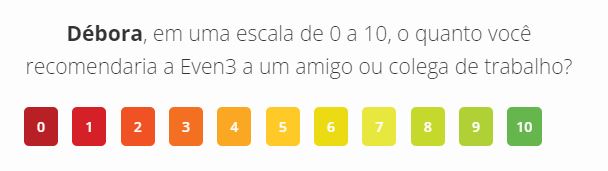
This way, you’ll gather feedback and identify areas for improvement for future editions.
In fact, you can start now and use a free platform with tools built for spiritual retreats. Get to know Even3.