
Did you know that religious events are increasingly being searched for online? At Even3, for example, we saw an 83% growth in the number of attendees at this type of event.
And this could be your opportunity! With more and more people looking for real connections through the internet, religious events have grown into one of the best ways to promote the unity and solidarity people are looking for.
That’s why organizers have been moving away from manual work and in-person ticket sales, opting instead for free technology solutions.
After all, nowadays it’s already possible to make registration easier with online forms, track sales in real time, and promote religious events to the whole world. Let me show you how!
What are religious events?
Before you start wondering which religious event is worth organizing on an event platform, I’ll tell you right away: pretty much all of them!
I know, they’re very broad and aren’t limited to services and masses.
After all, they can represent many different religions, and therefore come in many different formats too.
But basically, religious events are gatherings to share the faith and values of a religious community.
They can also be ecumenical, meaning they bring together followers of different religions for a moment of exchange.
Regardless of the format, this type of event will have some particular characteristics, such as:
- It’s an event aimed at a very specific audience;
- It should promote comfort, welcome and hospitality;
- The experience is one of the pillars of the event.
They can also be divided into different types, such as:
- Services or masses;
- Celebrations in general;
- Sessions;
- Courses;
- Shows;
- Talks;
- Retreats.
How to organize religious events faster
If you’ve been organizing religious events for a long time, I need to share some secrets that will make your life easier!
There are much simpler and more practical ways to organize an event at church or any other religious space. Let me walk you through it step by step!
1. Know your audience
First of all, this is the initial step for organizing any event.
Building a profile of your audience is essential so you know how to make your event more appealing, how to promote it, and even who the best guests to invite are.
2. Think about the theme, date and venue
Once you know your audience well, you’ll know how to attract them.
At this stage, you should define the basics of your event, such as venue, dates and times.
Pay special attention to the types of events that depend exclusively on a good venue, such as spiritual retreats.
You should also choose the theme, as well as the event name, colors and objectives.
Since it’s a religious event, your theme should be impactful and sensitive.
So a good idea is to choose a name that sparks interest or a sense of identification with your audience.
3. Don’t forget about finances!
Finances are one of the most important parts of organizing your event.
That’s why they should be defined from the start! So remember to map out expenses such as:
- Structure;
- Attractions;
- Promotion.
A good idea is to use a spreadsheet to lay out which expenses are essential for your event.
4. Choose your attractions
Depending on the size of your event, the attractions chosen may come from outside your faith community — for example, other religious leaders, singers or theologians.
That’s why, when choosing them, you should look for the most appealing options for your audience.
You can also use an event platform to handle invitations.
At Even3, for example, you can send emails to guests without leaving the platform, using ready-made text and an accept/decline invitation button.
Pretty handy, right? This should drastically cut down the time it takes to organize your event.
5. Price your tickets right
Once your event is well structured, it’s time to sell tickets for those who opted for paid admission.
To avoid pricing mistakes, consider a few aspects:
- Your event’s audience profile and how much they would be willing to pay for the experience;
- Your event’s main expenses;
- Prices of similar events organized by other institutions;
- Whether or not you want to make a profit from ticket sales.
Then, it’s a good idea to sell your tickets somewhere accessible, secure, and that offers different payment methods.
One option is to use an event platform, like Even3, to ensure the following benefits:
- A customizable online registration form so you can collect whatever information you want from your attendees;
- A secure payment area available for pix, credit card and installment payments;
- More than 150 international payment methods also available.
6. Promote your event
All set, now your event is complete! And this is the time to attract attendees.
You should invest in your event’s website. Besides, of course, investing in promotion in specific groups and even in announcements at the end of services.
Prioritize event platforms that offer an exclusive, customizable website for your event.
This way, you can include the main information about it, attractions, sell tickets, and whatever else you want.
Also, don’t forget to invest in digital marketing and promote your event with:
- Email marketing to attract more registrants;
- Promoting the event on Instagram and other social media;
- Google ads.
5 features for religious events
Of course, managing an event goes well beyond the step-by-step process of organizing it.
But this stage can also be made easier with technology. Check out free solutions from Even3 to make managing religious events simpler:
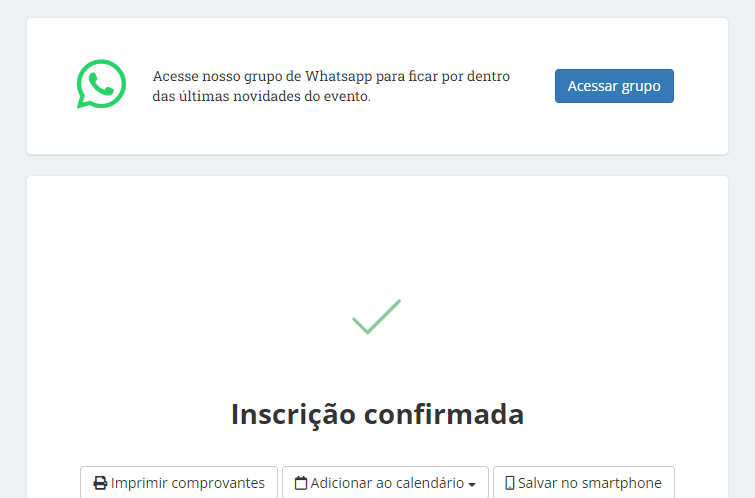
1. Buttons for WhatsApp and Telegram groups
This will get people excited to participate and look forward to future editions.
To make sure your attendees join these groups, you can add buttons that redirect them.
They’re shown at the best possible time: during registration and at confirmation!
This way, you make sure only attendees are in the groups you promote.
And doing this is quick and easy: just enable the feature for free in Even3’s Tools menu.
2. Affiliate links
Have you ever thought about rewarding people who promote your event and encouraging them to do so?
With affiliate links, you create unique links for each promoter.
This way, you can track each link’s sales results in real time and reward whoever generates registrations.
This is a great strategy to adopt in partnerships with influential people in your religion.
3. Notify People
With Even3’s “Notify People” feature, you can segment your event’s audience and send specific emails to each group, as well as personalize fields with the registrant’s name, for example.
This way, your email will be even more personal and can build closer communication.
4. Event reviews
Evaluating your event is essential to find out whether you’re delivering a good experience.
It tells you what worked and what you can improve for future editions.
By default, at the end of the event, Even3 automatically sends out a feedback form to all your attendees.
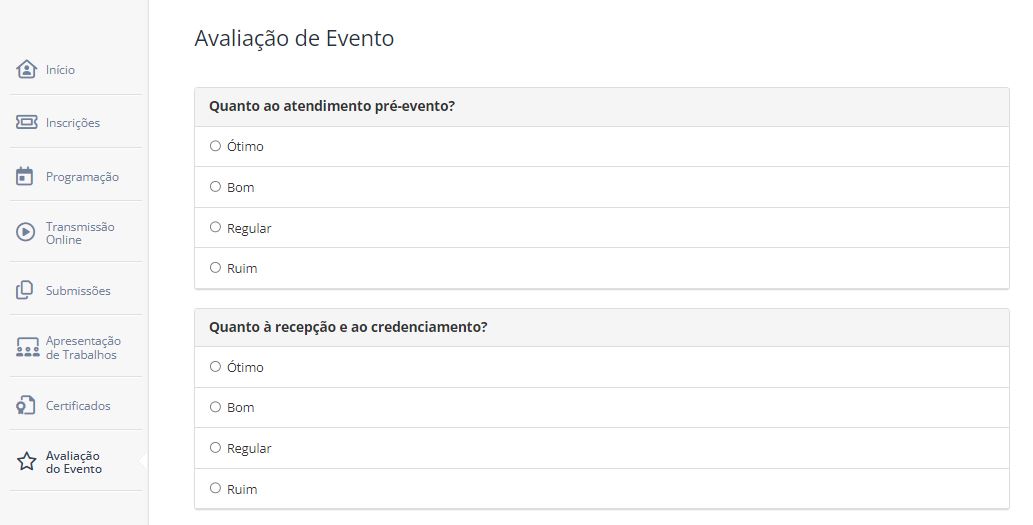
But you can also create new surveys to evaluate other moments of the event, such as sermons, worship, group activities, and more.
Attendees will receive the forms by email, and you can view the results right there on Even3.
5. Private event
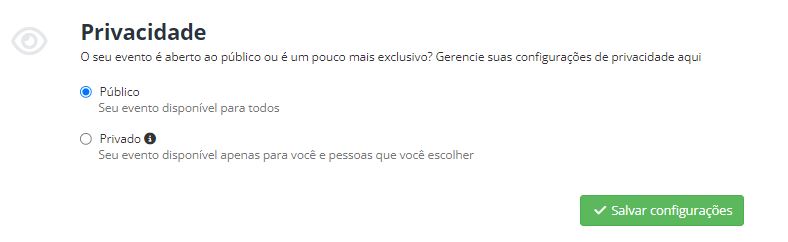
Finally, you can take advantage of all of Even3’s benefits without making your event public.
This way, you can create restricted events just for your faith community while still using all the features of an event platform.
This happens through private events, which can only be accessed via an access link, password, or exclusive invitations.
This means, for example, you can still use online registration forms and ticket sales to make organizing your event easier.
But all without opening your event to attendees from outside your institution.
So, if you want to get started now, it’s already possible and free! Try creating an event on Even3 in just a few minutes.