Have you ever used an event system? In 2023, a survey revealed that 72.5% of organizers recognize the need for this technology to succeed. Today, it’s hard to find large congresses, workshops, or even corporate events running without one — these systems centralize the main stages of event management, like registration, payments, check-in, certificates, and proceedings publication. There’s a lot to plan and execute, and a good event system can help you do it twice as fast. But which technology should you choose? Here’s what to look for before hiring an event system.
What Is an Event System?
An event system is a platform designed to help organizers plan, run, and evaluate events. These systems offer a range of features, from participant registration to task management.
How to Choose the Ideal Event System
Generally, an ideal event system for efficient management should be able to support the entire event lifecycle, offering support for every crucial stage of the organization.
1. Online Sales
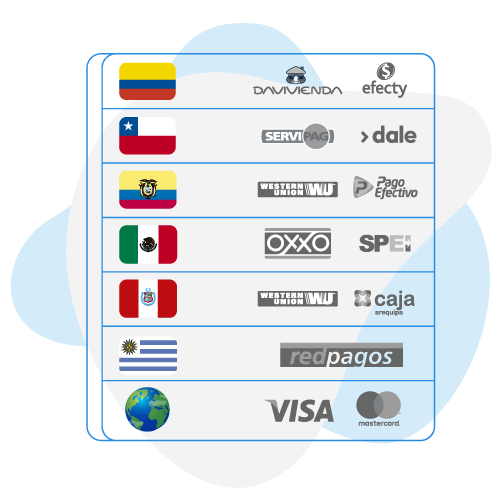
A good event system should make life easier for participants by offering online ticket sales with flexible payment options. This gives your participants more reasons to register. Choose a system that accepts multiple payment methods, like credit and debit cards or bank slips — some options even accept international payments, which can be essential depending on your event.
2. Check-in
Technology helps reduce wait times and lines by letting you sell tickets, register activities, and check participants in, all in one place. But what if the internet suddenly goes down? To avoid headaches, always look for an event system that offers offline check-in — this guarantees a backup of your general and per-activity attendee list.
3. Managing Multiple Activities
If your event schedule includes multiple activities — talks, workshops, short courses, panel discussions — it’s important to choose a system that can manage them all in one place. Avoiding schedule conflicts is essential, so look for platforms that automatically organize your event’s timetable. This will save you a lot of time, and some systems already use artificial intelligence to help schedule participants efficiently.
4. Scientific Paper Submission
Remember that tedious, repetitive process of receiving and sending scientific papers one by one for correction, approval, and publication? It doesn’t have to exist anymore. Now, in a completely automated way, you can receive papers for evaluation, correct them, approve or reject them, and publish them — without wasting time or patience, and while announcing results in real time.
The ideal system for events involving paper submissions should have a dedicated module just for scientific papers. This module makes life easier for the academic event organizer, the review board, and the participants alike. It should mainly allow online submission of any file type. After submission, papers can be evaluated using the methodology defined by the organization, such as double-blind or peer review — the evaluation type is up to the organizer.
5. Publication of Proceedings
Obviously, if you’re receiving papers, you’ll want to publish that content in your event’s proceedings — an excellent way to showcase your brand’s authority and relevance. Look for an event system that guarantees universal, unrestricted access to the papers presented at your congress in an online repository. This repository should be indexed on the web, free, and available to researchers worldwide.
6. Certificate Issuance
Once the event ends, participants will naturally ask for their certificates. It’s important that your event system guarantees automated issuance — the technology should generate and deliver certificates without manual work from the organization.
7. Participant Area
Comfort matters for participants too. A great differentiator is choosing an event system that includes a dedicated Participant Area.
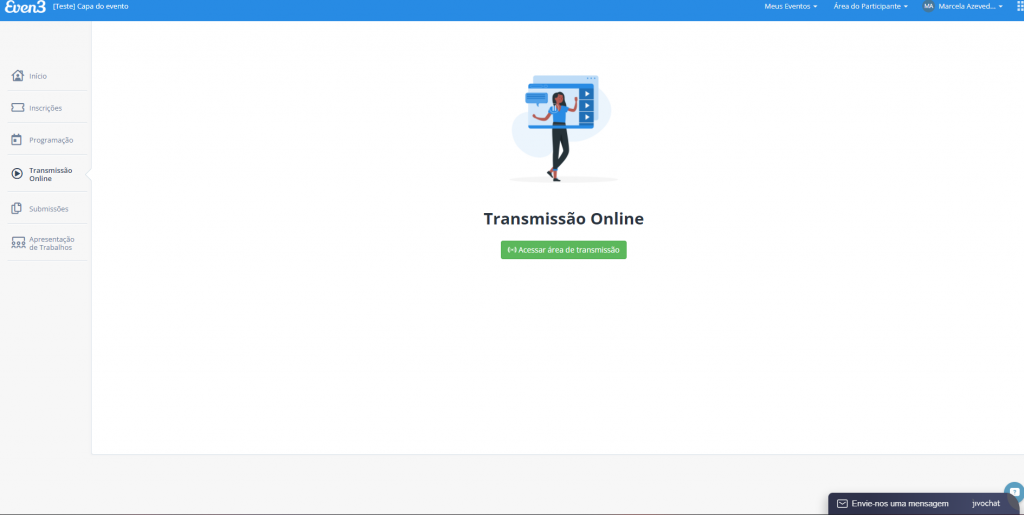
This is where participants can access their event certificate whenever they want, along with other important information like support materials and the online broadcast — everything they need for an organized, personalized, real-time experience.
8. Post-Event Evaluation
One of the last things your event system should cover is event evaluation. This step helps you plan better future editions and recognize your organization’s strengths and weaknesses. It’s ideal to have tools for collecting and analyzing participant feedback after the event, usually through a survey inside the system itself, such as in the Participant Area. Since participants don’t have to leave the platform, they’re more likely to feel encouraged to answer a quick survey. Your tool should then generate reports with the responses, offering valuable insights for the future.
Considering these requirements when choosing an event system will help ensure a tool that meets your event’s immediate needs while also contributing to its long-term success. So remember to look for a platform that meets all the requirements above, plus market credibility, customer support, and good reviews from current users.